
10 Neutral Living Room Color Ideas That Always Work
Choosing the right color palette for your living room can completely transform the atmosphere of your home. While bold colors can sometimes feel overwhelming or quickly go out of style, neutral tones remain timeless and versatile. Neutral colors create a calm foundation that works with almost any furniture style, decor trend, or seasonal update.
One of the biggest advantages of neutral living room colors is their ability to make a space feel larger, brighter, and more balanced. These shades reflect natural light beautifully and allow decorative elements such as artwork, textiles, and plants to stand out without competing for attention.
Neutral tones are also incredibly flexible. Whether your interior style is modern, minimalist, cozy, or classic, neutral color palettes provide the perfect base. With thoughtful layering of textures and tones, a neutral living room can feel warm, inviting, and sophisticated.
If you’re planning to refresh your living room or start from scratch, these neutral living room color ideas will help you create a timeless space that always looks stylish.
Table of Contents
1. Warm White Living Room
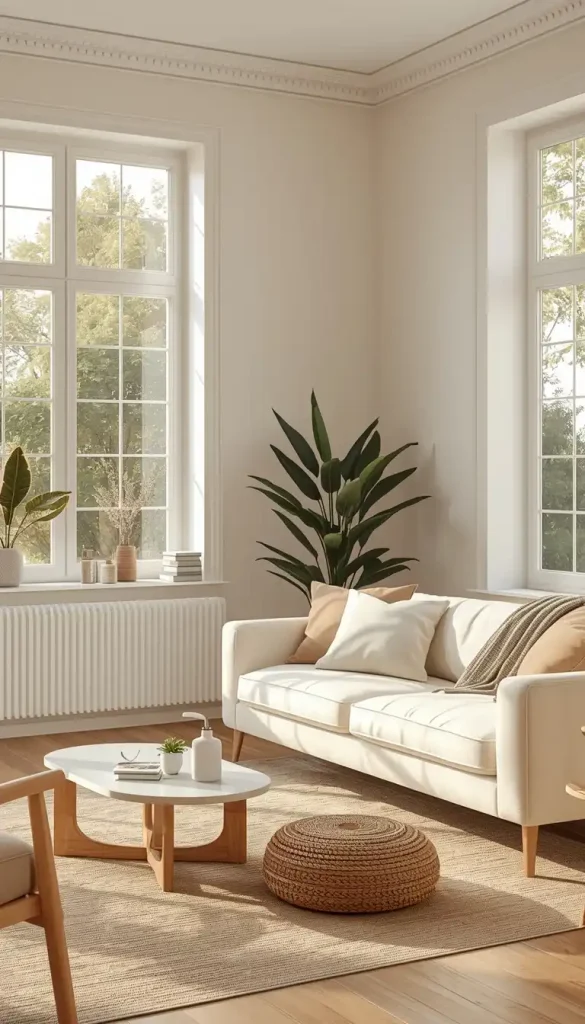
Warm white is one of the most popular neutral colors for living rooms. Unlike stark bright white, warm white contains subtle undertones of beige or cream that make the room feel softer and more inviting.
This shade reflects natural light beautifully, helping the space feel open and airy. It also pairs well with many different furniture finishes and decor styles.
• Paint walls in warm white to create a bright and welcoming environment.
• Use light-colored furniture such as beige sofas or cream armchairs.
• Add natural wood accents for warmth and balance.
Warm white is especially effective in smaller living rooms because it visually expands the space.
Designer Pro Tip: Choose warm white paint with slight yellow or beige undertones to avoid a cold or clinical appearance.
2. Soft Beige Living Room
Beige is a classic neutral that adds warmth and elegance to a living room. Unlike bright white, beige introduces subtle depth while still maintaining a calm and neutral atmosphere.
Beige works particularly well in homes that aim for a cozy and relaxed feel.
• Use beige walls to create a soft and balanced backdrop.
• Pair beige with white trim for contrast and brightness.
• Add textured fabrics such as linen pillows or wool rugs.
This color combination creates a comfortable and timeless environment.
Designer Pro Tip: Combine beige with natural materials like wood, stone, or woven decor for a more organic and luxurious appearance.
3. Light Gray Living Room
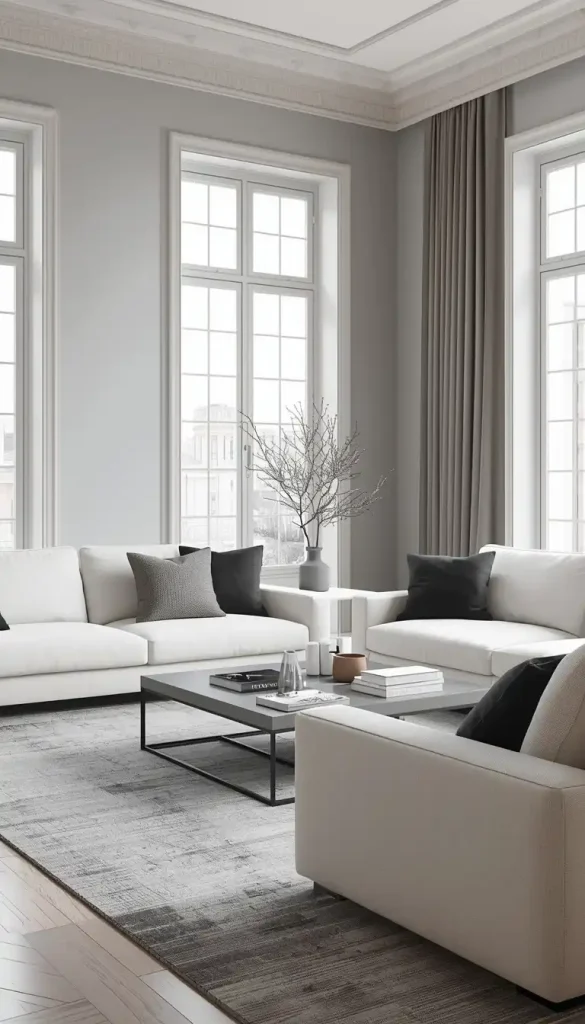
Light gray is a modern neutral that works beautifully in contemporary living rooms. It offers slightly more contrast than beige while still maintaining a calm atmosphere.
This color is particularly effective in modern and minimalist interiors.
• Paint walls in soft gray tones for a clean aesthetic.
• Use darker gray accents through pillows or rugs.
• Combine gray with white furniture for a balanced look.
Gray tones can create a sophisticated and polished appearance.
Designer Pro Tip: Choose warm gray shades instead of cool bluish grays to keep the room feeling comfortable.
4. Greige Living Room
Greige is a combination of gray and beige, making it one of the most versatile neutral colors. It provides the sophistication of gray while maintaining the warmth of beige.
Because of this balance, greige works with both warm and cool decor tones.
• Use greige walls to create a balanced neutral base.
• Combine with white furniture for brightness.
• Add darker accents like charcoal pillows or throws.
Greige has become a favorite color among interior designers for its flexibility.
Designer Pro Tip: Greige works especially well in rooms with changing natural light throughout the day.
5. Taupe Living Room
Taupe is a rich neutral color that blends brown and gray tones. It adds depth while maintaining a calm and elegant look.
This shade works particularly well in living rooms that aim for a more luxurious or refined feel.
• Use taupe walls for subtle sophistication.
• Add lighter furniture to maintain balance.
• Introduce metallic accents such as brass or bronze decor.
Taupe creates a warm and inviting environment.
Designer Pro Tip: Pair taupe walls with soft lighting to highlight its warm undertones.
Looking for timeless ways to style your living room? In this video, explore beautiful neutral living room color ideas that create a calm, elegant, and versatile space. From warm white and soft beige to modern gray and layered neutrals, these ideas will help you design a living room that feels bright, cozy, and always in style. Perfect for modern, minimalist, or classic interiors.
6. Cream Living Room
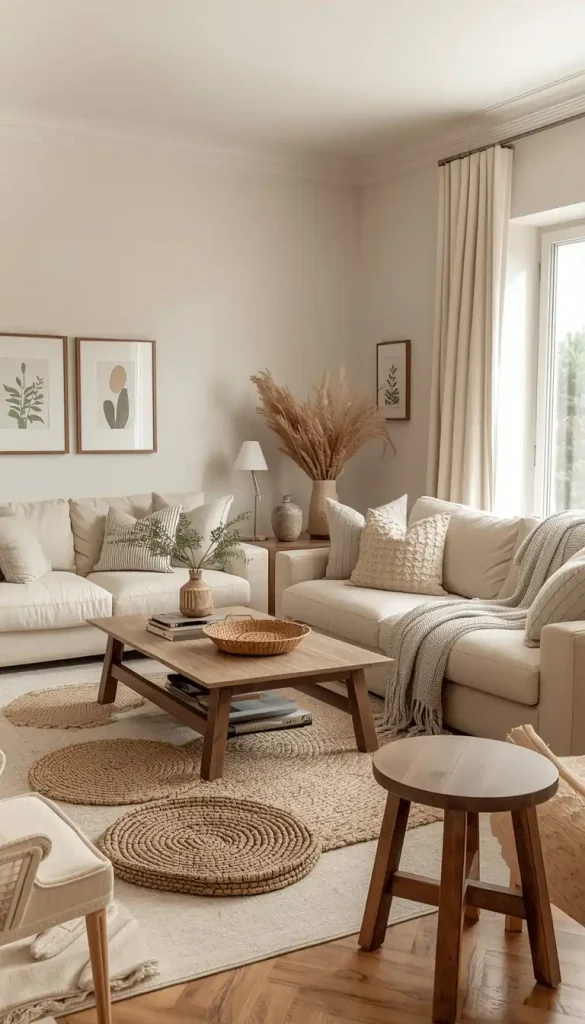
Cream is a softer alternative to white. It provides brightness while introducing warmth and elegance.
Cream living rooms feel cozy without looking heavy or dark.
• Use cream walls to create a gentle and welcoming environment.
• Pair with beige or tan furniture for a layered look.
• Add natural textures like woven rugs or wooden tables.
Cream tones create a comfortable and timeless design.
Designer Pro Tip: Layer different shades of cream and beige to create subtle depth in the room.
7. Soft Sage Neutral Living Room
Soft sage green is technically a color, but it functions as a neutral because of its muted tone. It introduces a subtle natural element while remaining calm and balanced.
Sage green works beautifully with wood tones and natural materials.
• Paint one accent wall in sage green.
• Combine with white or beige furniture.
• Add indoor plants to enhance the natural feel.
This color palette creates a relaxing and refreshing living room environment.
Designer Pro Tip: Sage green pairs beautifully with brass or gold accents for a sophisticated look.
8. Neutral Two-Tone Walls
Two-tone walls can add depth to a neutral living room without making the space feel busy. This technique often involves using a lighter color on the upper wall and a slightly darker neutral below.
This approach works particularly well in modern homes.
• Use warm white on the upper wall.
• Apply beige or taupe on the lower section.
• Separate the colors with molding or trim.
Two-tone walls add architectural interest to simple spaces.
Designer Pro Tip: Keep both colors within the same neutral family for a cohesive appearance.
9. Neutral Walls with Dark Accents
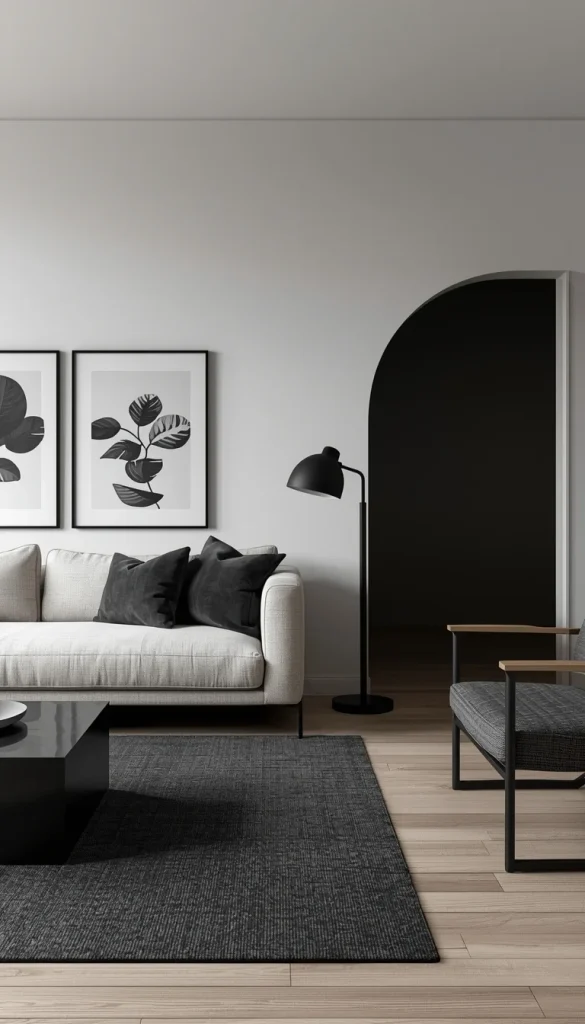
Neutral walls provide the perfect backdrop for darker accent elements. Black, charcoal, or deep brown accents can add contrast while maintaining a balanced design.
This combination works well in modern interiors.
• Use neutral walls as the main background.
• Add black picture frames or lamp bases.
• Introduce dark cushions or throws for contrast.
Dark accents add sophistication without overwhelming the room.
Designer Pro Tip: Limit dark accents to a few key pieces so the room remains balanced.
10. Layered Neutral Living Room
A layered neutral design uses several shades of neutral colors together to create depth and interest. This technique prevents neutral rooms from feeling flat or boring.
Layering textures and tones is the key to making neutral spaces feel rich.
• Combine white, beige, gray, and taupe tones.
• Use textured fabrics such as linen or wool.
• Add wooden furniture for warmth.
Layering neutral tones creates a sophisticated and timeless design.
Designer Pro Tip: Focus on texture variation when layering neutrals to keep the room visually interesting.
Final Thoughts
Neutral living room colors remain one of the most reliable ways to create a timeless and elegant home interior. Shades like warm white, beige, gray, and taupe provide a flexible foundation that works with almost any furniture or decor style.
By layering different tones and textures, neutral living rooms can feel warm, inviting, and visually dynamic. These color palettes also make it easier to update your decor over time without needing to repaint the entire room.
Whether you prefer minimalist interiors or cozy traditional spaces, neutral color schemes offer endless design possibilities.
Looking for more inspiration? Explore our Room category for additional modern design ideas.
You might like: 10 Elegant Living Room Ideas Without Overspending
Frequently Asked Questions
What is the best neutral color for a living room?
Warm white, beige, greige, and light gray are among the most popular neutral living room colors.
How do I keep a neutral living room from looking boring?
Use layered textures, different shades of neutral colors, and natural materials like wood or woven fabrics.
Are neutral living room colors still popular?
Yes. Neutral color palettes remain timeless because they create calm spaces that easily adapt to changing design trends.
Can I add color to a neutral living room?
Yes. Accent pillows, artwork, and plants can introduce subtle color without overwhelming the neutral base.