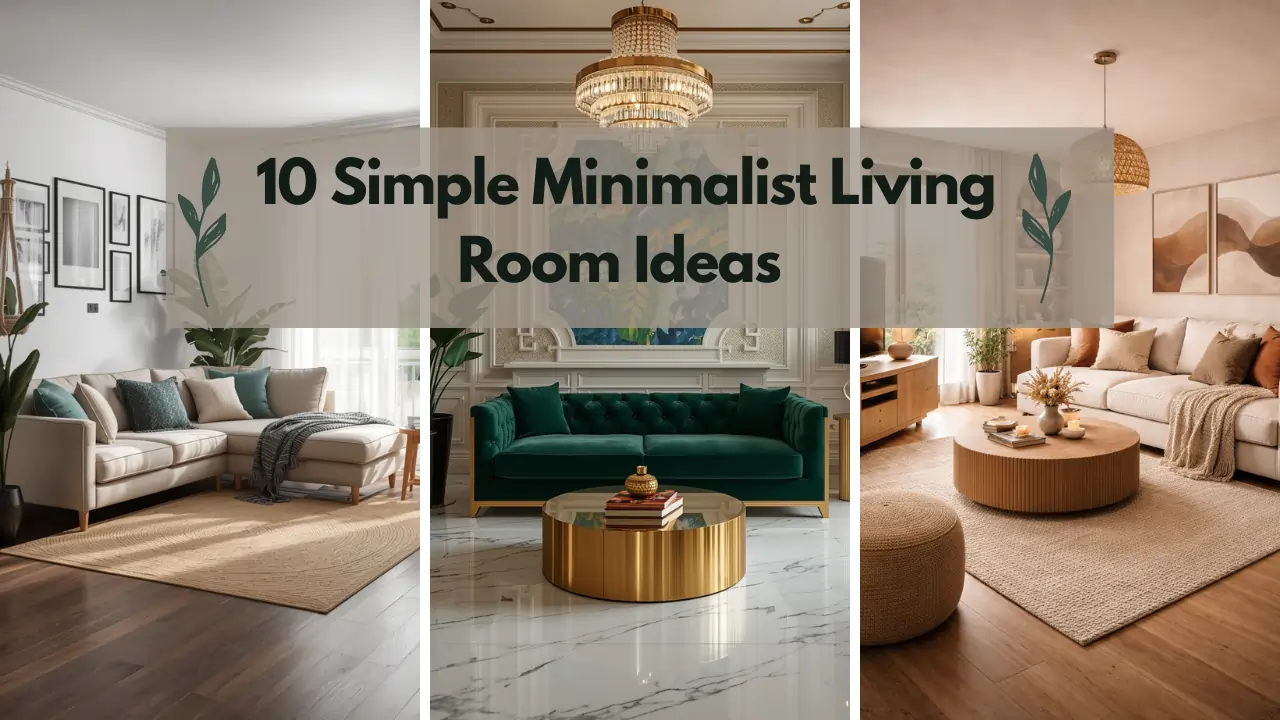
10 Simple Minimalist Living Room Ideas for a Clutter-Free Home
Have you ever walked into a room and instantly felt a weight lift off your shoulders? That is the magic of minimalist design. In a world overflowing with distractions and visual noise, your living room should be a place where your mind can finally breathe.
Minimalism is not about living in an empty, sterile white box or throwing away everything you own. It is simply about keeping only what adds true value, beauty, and function to your space. By removing the excess, you make room for the things that actually matter.
Whether you are starting from scratch or looking to simplify your current layout, here are 10 actionable minimalist living room ideas to help you create a home that feels open, intentional, and deeply relaxing.
Table of Contents
1. Embrace a Warm Neutral Color Palette
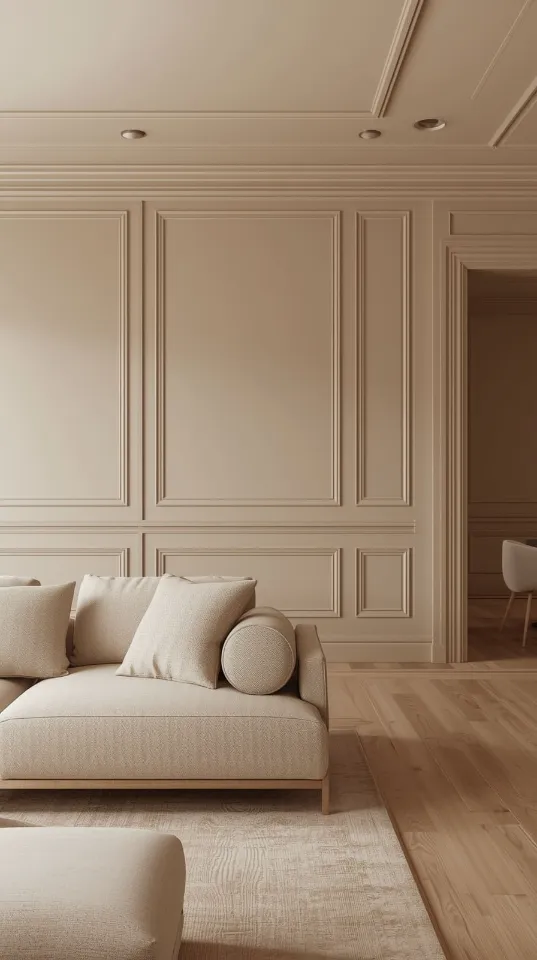
The foundation of every minimalist living room starts with color. Bold, highly saturated colors can overstimulate the brain, while neutral tones naturally create a sense of openness and serenity.
A neutral palette does not mean your room has to be boring. When you limit the colors on your walls and large furniture pieces, you allow the beautiful textures, shapes, and natural light in the room to become the main focus.
- Paint your walls in warm whites, light greige (gray and beige), or soft taupe to create an expansive feel.
- Stick to a maximum of three main colors throughout your entire living room to prevent visual noise.
- Use varying shades within the exact same color family (like light cream and dark beige) to add depth.
Designer Pro Tip: Paint your walls, baseboards, and ceiling the exact same color. This architectural trick erases harsh visual lines and makes the room feel endlessly tall and open.
2. Invest in Quality Furniture Over Quantity
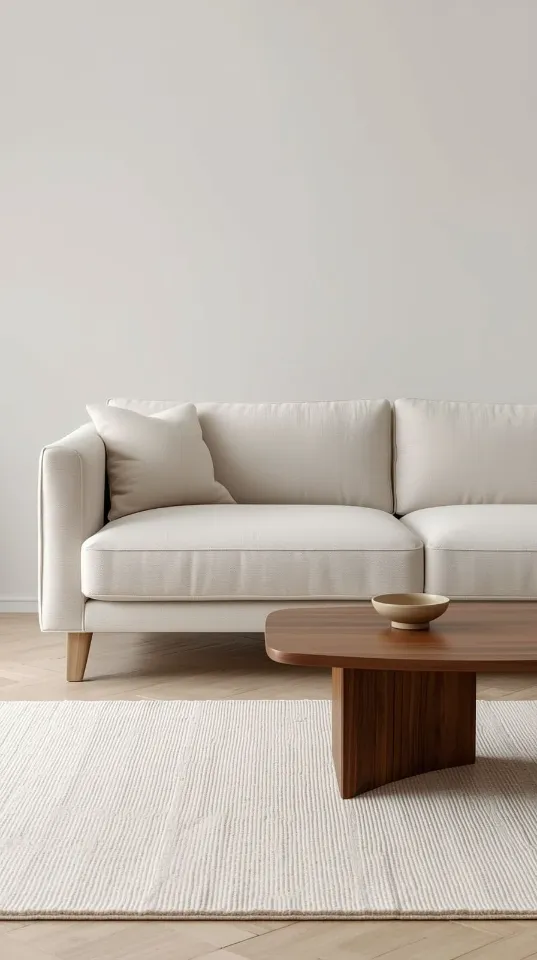
One of the golden rules of minimalism is to buy less, but buy better. Instead of filling your living room with multiple cheap furniture pieces that will wear out quickly, invest in a few high-quality items built to last.
When every piece in your room is highly intentional and well-made, the space naturally feels curated and sophisticated without trying too hard.
- Prioritize a timeless sofa with clean lines and highly durable upholstery.
- Choose one solid wood coffee table with a simple silhouette rather than crowding the room with multiple small side tables.
- Select one statement accent chair instead of filling empty corners with seating options you rarely use.
Designer Pro Tip: Look for furniture with exposed legs. When you can see the floor space underneath a sofa or a chair, the room instantly feels airier and less weighed down.
3. Master the Art of Hidden Storage
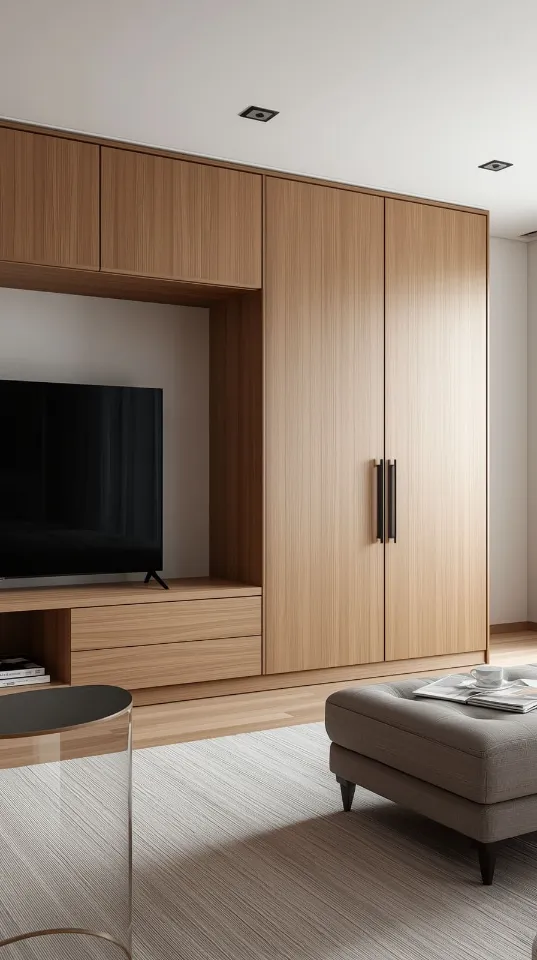
Clutter is the number one enemy of minimalist design. But realistically, you still have everyday items like TV remotes, chargers, and blankets that you need to store. The secret to a sleek living room is making your storage completely invisible.
The goal is to ensure that everything in your living room has a designated, hidden home so items never end up scattered across your surfaces.
- Use a TV console with closed doors to completely hide ugly cable boxes, wires, and gaming consoles.
- Invest in a stylish storage ottoman that doubles as a footrest and a hiding spot for extra throw blankets.
- Limit floating shelves and ensure you only display two to three highly curated items per shelf.
Designer Pro Tip: Try to keep at least 30% of your closed shelving space completely empty. This prevents you from cramming items inside and makes it easier to put things away quickly.
4. Let Natural Light Take Center Stage
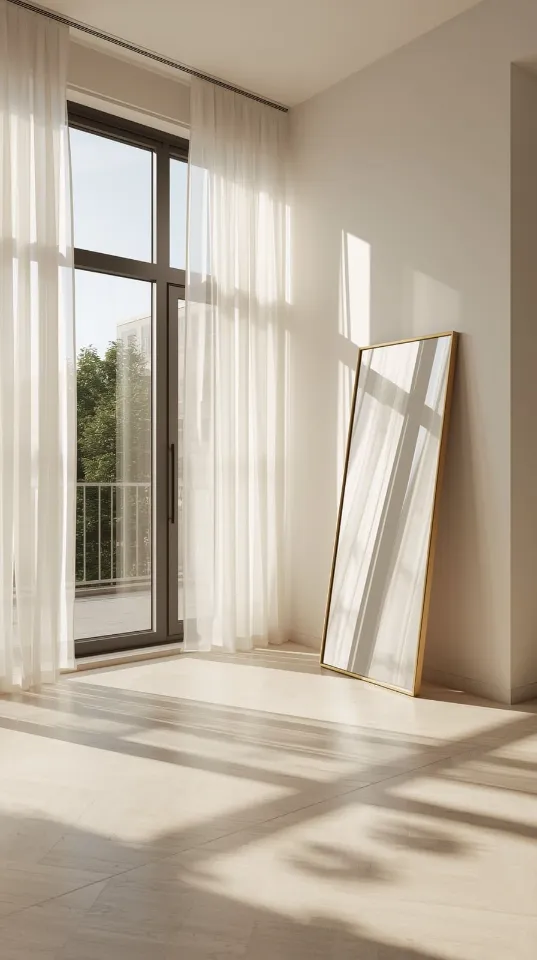
Nothing elevates a minimalist living room quite like abundant natural light. Sunlight makes spaces feel significantly larger, warmer, and more alive, instantly upgrading the look of your furniture.
Heavy, dark window treatments block this vital light and add unnecessary visual weight to the walls.
- Replace heavy drapes with sheer linen curtains or simple, hidden roller blinds.
- Position a large floor mirror directly opposite your biggest window to bounce natural sunlight deep into the room.
- Keep your windowsills completely clear of clutter, books, and small decorations to maximize light flow.
Designer Pro Tip: If your living room lacks natural windows, swap your harsh overhead bulbs for warm “daylight” LED bulbs (around 3000K-4000K) to mimic the clarity and warmth of actual sunshine.
5. Incorporate Organic Textures and Natural Elements
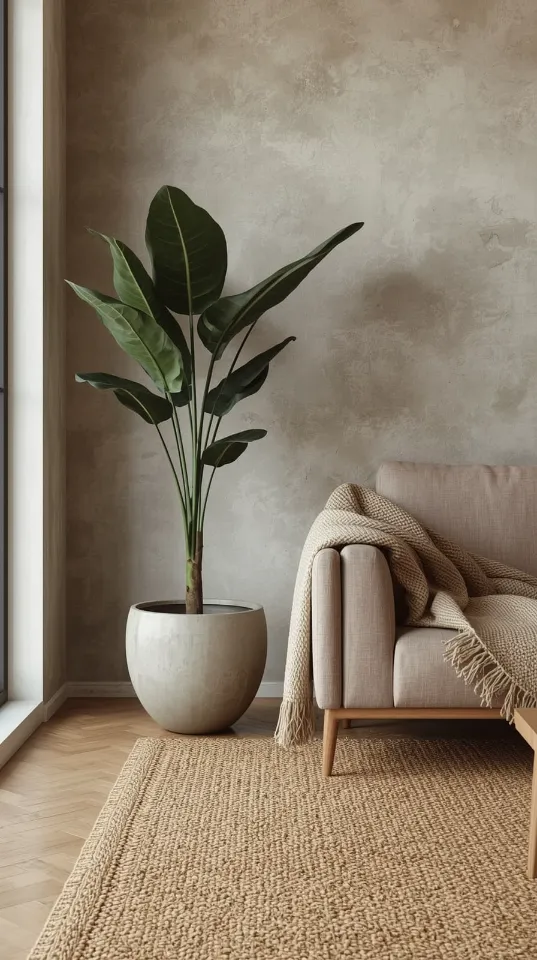
A common mistake people make is designing a minimalist room that feels cold or sterile. The easiest and most effective way to add warmth back into a stripped-down space is by bringing nature indoors.
Natural materials inject life, warmth, and a soothing tactile quality into a room without adding actual clutter.
- Add one large indoor plant like a Fiddle Leaf Fig or a sleek Snake Plant to serve as a vibrant pop of color.
- Incorporate warm wood accents through a walnut side table, oak shelving, or a bamboo tray.
- Use natural textiles like heavy linen curtains, a woven jute rug, or a soft wool throw blanket.
Designer Pro Tip: Contrast your textures to create interest. Pair a smooth, cold leather sofa with a chunky, soft knit blanket, or place a sleek glass vase on top of a rough, raw-wood coffee table.
Want to see these minimalist concepts in action? Watch this video for brilliant small-space living room inspiration before we move on to the next tips!
6. Create One Strong Visual Focal Point
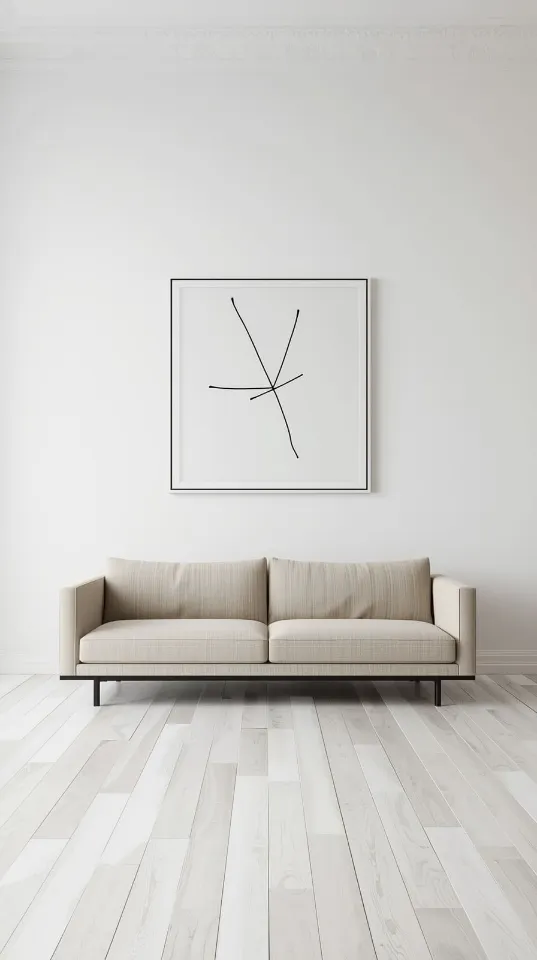
Every well-designed living room needs one clear focal point-a single area that immediately draws the eye and anchors the entire space. When a room has too many focal points, it feels chaotic and overwhelming.
Once you choose your focal point, do not compete with it. Keep the surrounding areas intentionally blank and simple.
- Hang one large-scale piece of artwork on an otherwise completely empty wall.
- Highlight a statement fireplace by keeping the mantel completely clear of small trinkets.
- Frame an architectural window that looks out onto a beautiful view.
Designer Pro Tip: White space (or negative space) around your focal point is what actually makes it powerful. Give your artwork or fireplace room to “breathe” without crowding it with other decor.
7. Adopt the “One In, One Out” Rule
Minimalism isn’t just a design style; it is a daily lifestyle philosophy that keeps your space sustainable. Without strict rules, clutter will naturally start to creep back into your living room over time.
This simple rule forces you to evaluate whether a new purchase is truly necessary and prevents the gradual accumulation of “stuff.”
- Apply the rule strictly: If you buy a new throw pillow, you must donate an old one.
- Use it for media: If you bring a new coffee table book into the room, pass an old one along to a friend.
- Wait 48 hours before making any impulse decor purchases to see if you actually need the item.
Designer Pro Tip: Keep a dedicated “donation box” in a nearby hall closet. When you buy something new, immediately drop the old item into the box so it doesn’t linger in your living room.
8. Curate Thoughtful, Meaningful Decor
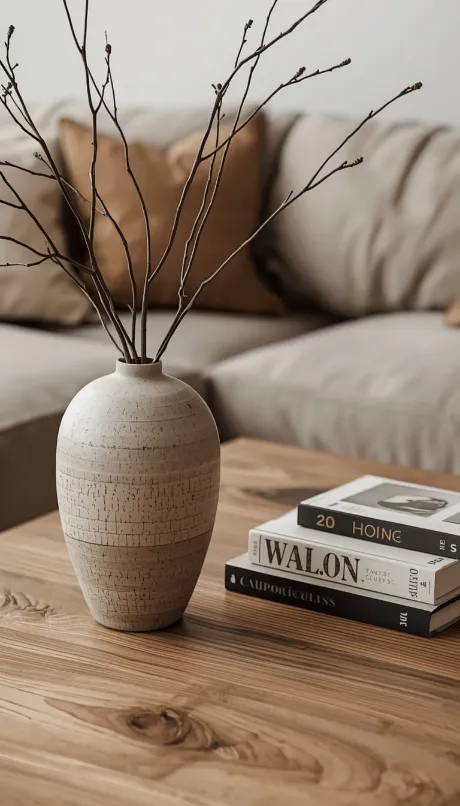
In a minimalist living room, every single decorative item should pass a very simple test: Does this item serve a function, or does it bring me genuine joy? If the answer is no, it does not belong in the room.
Empty space IS the decor in a minimalist home. You should never feel pressured to fill every empty corner or bare shelf.
- Display a single large ceramic vase with fresh or dried branches instead of multiple small knick-knacks.
- Keep one curated stack of books on the coffee table that you actually love and read.
- Avoid mass-produced “filler” decor that holds no personal meaning or story to you.
Designer Pro Tip: When styling your coffee table or shelves, always group your decorative items in odd numbers (typically groups of three). This creates visual balance without overcrowding the surface.
9. Establish a Daily 5-Minute Reset Habit
All the design tips in the world will not matter if your living room is buried under daily life clutter. You don’t need to spend hours cleaning every weekend; you just need a small, consistent habit.
A daily reset ensures you always wake up to a peaceful, organized environment.
- Set a timer for 5 minutes every single evening before you go to bed.
- Fold the throw blankets, fluff the sofa cushions, and take any empty cups to the kitchen.
- Clear all flat surfaces (like the coffee table and side tables) of mail, laptops, and stray chargers.
Designer Pro Tip: Designate a specific “device drawer” in your living room console. At the end of the night, place all laptops, tablets, and charging cords inside so you never have to look at tech clutter.
10. Embrace the Power of Negative Space
The hardest part of minimalist design for most people is learning to be okay with empty space. We are conditioned to push furniture into every corner and hang art on every blank wall.
Negative space is the area between and around your furniture. It is the secret ingredient that makes luxury homes look so incredibly expensive.
- Pull your furniture away from the walls. Even leaving just a 3-inch gap makes the room feel less cramped.
- Leave at least one wall completely bare. Not every wall requires a mirror, a shelf, or a painting.
- Opt for a rug with a subtle pattern or a solid color rather than a loud, busy print that eats up visual space.
Designer Pro Tip: Walk to the entrance of your living room and take a photo on your phone. Looking at a photo often helps you instantly spot areas that feel too crowded or heavy with decor.
Final Thoughts
Creating a minimalist living room doesn’t happen overnight, and you don’t need to tackle it all at once. Start with just one idea from this list. perhaps clearing off your coffee table or establishing your 5-minute evening reset.
Minimalism is a journey, not a destination. Every small step you take brings you closer to a home that feels calm, intentional, and truly yours. When you strip away the excess, you make room for what really matters: relaxing, recharging, and enjoying your space.
By applying these minimalist living room ideas, you can create a home that feels calm and intentional.
You might like : 15 Modern Bedroom Ideas for a Calm and Luxurious Feel
Frequently Asked Questions
How do I make a minimalist living room feel warm and cozy?
Layer natural textures like chunky knit throws, jute rugs, and warm wood furniture. This adds inviting comfort without creating visual clutter.
What are the best colors for a minimalist living room?
Stick to a foundation of warm whites, soft grays, and earthy beiges. For accents, use muted, nature-inspired tones like olive green or navy blue.
How do I hide everyday clutter in a minimalist space?
Use multi-functional furniture like storage ottomans, coffee tables with drawers, and TV consoles with solid doors. This ensures everything has a designated, hidden home.
Does a minimalist living room mean I can’t have any decorations?
Not at all! It just means displaying a few highly curated, meaningful pieces like a statement painting or a large plant instead of dozens of cluttered trinkets.