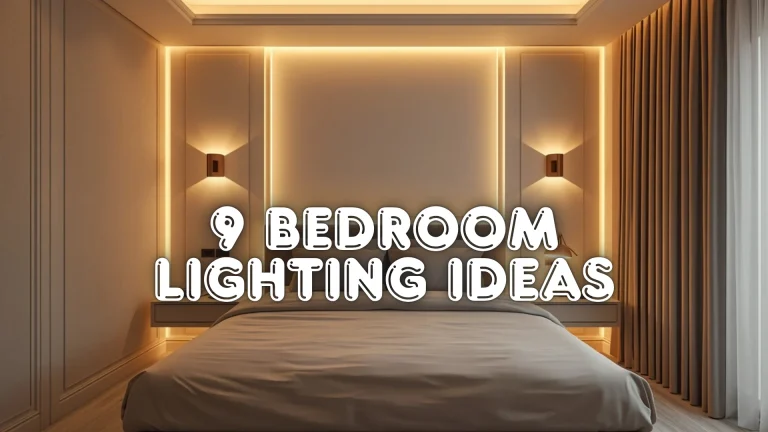

6 Powerful Ways to Choose Lighting by Room Mood for a Beautiful and Functional Home
Lighting is often treated as a practical necessity, something you add to make a room bright enough to see clearly. But the truth is, lighting does much more than brighten a space. The right lighting can change the mood, comfort, and functionality of every room in your home.
Instead of choosing lights based only on brightness, modern homeowners are now choosing lighting based on how a room should feel. The right lighting can make a room feel calm, cozy, energetic, luxurious, or focused.
In many American homes today, lighting design is becoming just as important as furniture or wall colors. People want their living rooms to feel welcoming, bedrooms to feel relaxing, kitchens to feel lively, and home offices to support productivity. Each room has its own purpose, and lighting should reflect that purpose.
This guide will help you choose lighting based on mood for six important rooms in your home. These include the living room, bedroom, bathroom, kitchen, home office, and dining room. By the end, you will understand how to create the right atmosphere in every room without relying only on brightness levels.
Table of Contents
Why Lighting by Room Mood Matters More Than Brightness
Many homeowners make the mistake of choosing the brightest bulbs possible, thinking that more light always equals better lighting. In reality, overly bright lighting can feel harsh, uncomfortable, and tiring.
Mood based lighting focuses on how a room feels, not just how bright it looks. For example, a bedroom should feel relaxing, not glaring. A kitchen should feel energetic, not dull. A home office should support concentration, not cause eye strain.
When you design lighting based on mood, you gain several benefits:
• Improved comfort throughout your home
• Better visual balance between light and shadow
• More inviting spaces for guests and family
• Reduced eye fatigue during daily activities
• Enhanced appearance of furniture and décor
Lighting also affects emotions and productivity. Warm lighting creates a cozy and calm feeling, while cooler lighting helps increase alertness and focus. Understanding these differences makes it easier to create spaces that feel exactly how you want.
1. Living Room Lighting by Room Mood for Comfort and Social Spaces

The living room is one of the most versatile spaces in any home. It is used for relaxing, watching television, entertaining guests, reading, and spending time with family. Because of its many uses, living room lighting should feel warm, flexible, and welcoming.
To create the right mood, layering different types of lighting is essential. Instead of relying on one overhead fixture, combine several lighting sources that work together.
Start with ambient lighting, which provides the main source of illumination. This could be a ceiling light, recessed lighting, or a chandelier that spreads light evenly throughout the room.
Next, add task lighting. Table lamps and floor lamps are perfect for reading, hobbies, or creating focused light zones. These lamps also add depth and personality to the space.
Finally, use accent lighting to highlight artwork, shelves, or decorative elements. Wall sconces or LED strips create soft glows that make the room feel more stylish.
Best mood tips for living rooms:
• Use warm white bulbs for a cozy feel
• Add dimmer switches for flexible lighting control
• Combine at least two or three light sources
• Use lamps to create comfortable corners
When done correctly, living room lighting supports both relaxation and social interaction.
2. Bedroom Lighting by Room Mood for Relaxation and Better Sleep
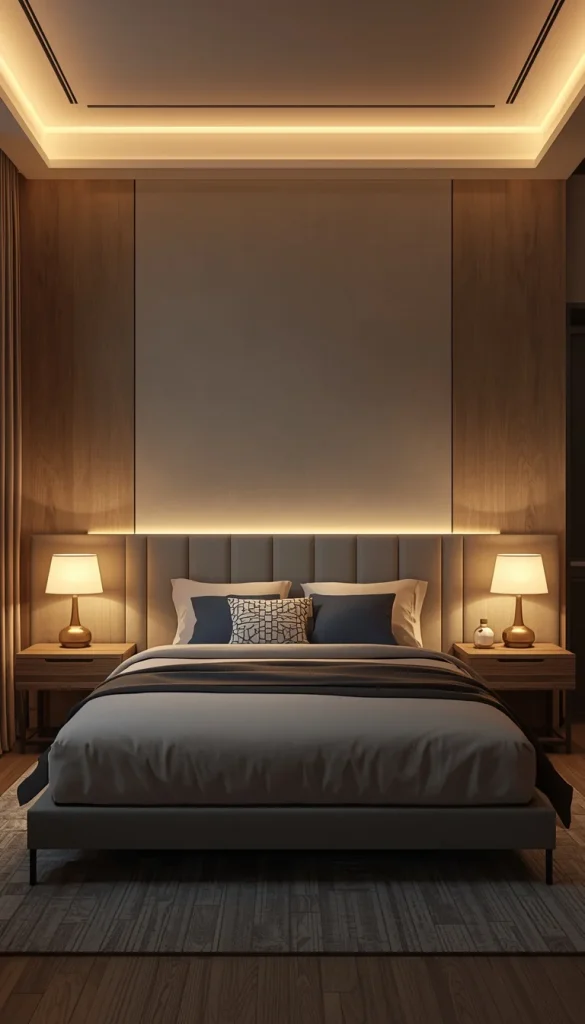
Bedrooms should feel peaceful, calm, and restful. Lighting that is too bright or too cool in tone can make it harder to relax. The goal of bedroom lighting is to create an environment that supports comfort and quality sleep.
Soft ambient lighting is the foundation. Ceiling fixtures with warm toned bulbs help fill the room with gentle and soothing light without creating harsh shadows.
Bedside lighting is equally important. Table lamps or wall mounted sconces placed next to the bed provide focused light for reading or relaxing before sleep.
Accent lighting adds a modern touch while supporting relaxation. For example, LED strip lights behind a headboard can create a soft and calming glow.
Helpful bedroom lighting tips:
• Choose warm light temperatures for relaxation
• Use adjustable bedside lamps
• Avoid harsh overhead lighting at night
• Add soft accent lighting for a cozy feel
Warm lighting helps signal the body that it is time to unwind, making the bedroom feel like a true sanctuary.
3. Bathroom Lighting by Room Mood for Fresh and Functional Spaces
Bathrooms require lighting that feels clean, fresh, and functional. Unlike bedrooms, bathrooms need clearer visibility for daily grooming tasks such as shaving, skincare, and makeup application.
The most important area to focus on is the vanity mirror.
Instead of placing a single light above the mirror, install lights on both sides of the mirror. This reduces shadows and provides even lighting across the face.
Ambient ceiling lighting keeps the entire bathroom well lit. Recessed lights are commonly used because they create a clean and modern appearance.
Accent lighting can also enhance relaxation, especially in bathrooms with bathtubs. Soft lighting near the tub area creates a spa like mood that makes evening routines more enjoyable.
Bathroom lighting essentials:
• Use neutral white lighting for accurate visibility
• Install side mirror lights to reduce shadows
• Add soft lighting near bathtubs
• Choose water resistant fixtures for safety
Well planned bathroom lighting supports both functionality and comfort.
Lighting plays an important role in shaping how each room feels and functions. This video will help you understand how lighting by room mood can be used to create the right atmosphere in different spaces. You will see practical ideas for improving comfort, style, and usability in areas like the living room, bedroom, kitchen, and home office.
4. Kitchen Lighting by Room Mood for Energy and Productivity

The kitchen is one of the busiest spaces in any home. It is used for cooking, cleaning, meal preparation, and sometimes entertaining. Kitchen lighting should feel bright, energetic, and practical.
Strong ambient lighting keeps the entire kitchen visible and safe during daily tasks.
Task lighting is especially important in kitchens. Under cabinet lighting provides focused illumination on countertops, making cooking safer and easier.
Pendant lights above kitchen islands add both style and function. They create visual interest while also delivering targeted lighting where it is needed most.
Key kitchen lighting tips:
• Install under cabinet lighting for better visibility
• Use pendant lights over islands
• Choose cooler white lighting for alertness
• Avoid relying on a single ceiling fixture
Combining strong task lighting with balanced ambient light helps create a kitchen that feels both lively and functional.
5. Home Office Lighting by Room Mood for Focus and Efficiency
Home office lighting plays a major role in productivity. With more people working remotely, proper lighting is essential for reducing eye strain and maintaining focus.
Natural light should always be used whenever possible. Placing a desk near a window helps create a bright and comfortable workspace.
Task lighting is critical in home offices. A desk lamp with adjustable brightness allows you to direct light exactly where it is needed.
Ambient lighting helps balance the room and prevents harsh contrasts between bright screens and dark surroundings.
Home office lighting recommendations:
• Use cool white lighting for focus
• Position desks near natural light sources
• Choose adjustable desk lamps
• Add soft background lighting to reduce glare
Good lighting also improves video call quality, helping you appear more professional during virtual meetings.
6. Dining Room Lighting by Room Mood for Warm Gatherings

Dining rooms are spaces designed for connection, conversation, and shared meals. Lighting in this area should feel warm, inviting, and slightly dramatic.
A statement light fixture placed above the dining table often becomes the centerpiece of the room. Chandeliers and pendant lights are popular choices because they combine style with functionality.
The height of the light fixture is important. Lights should be placed low enough to illuminate the table but high enough to maintain clear sight lines across the room.
Accent lighting can enhance decorative features such as artwork or display cabinets.
Dining room lighting ideas:
• Choose warm lighting tones
• Install a centerpiece light fixture
• Use dimmer switches for flexible moods
• Highlight décor with subtle accent lighting
Proper lighting turns everyday meals into memorable experiences.
Understanding Light Temperature and Its Role in Mood
Light temperature plays a major role in shaping the mood of a room. It refers to the color tone of light, measured in Kelvin.
Different temperatures create different emotional responses.
Warm light appears soft and yellowish. It creates a relaxing and cozy feeling and works well in living rooms, bedrooms, and dining rooms.
Neutral light appears balanced and natural. It is ideal for bathrooms and kitchens where clarity is important.
Cool light appears bright and slightly bluish. It improves alertness and works best in offices and task focused areas.
Choosing the correct light temperature ensures that rooms feel comfortable, functional, and visually appealing.
How Lighting by Room Mood Improves Daily Comfort
Layered lighting is one of the most powerful strategies in mood based lighting design. It involves combining three different lighting types.
These include:
• Ambient lighting for overall illumination
• Task lighting for specific activities
• Accent lighting for decorative highlights
Using all three layers creates a balanced and comfortable environment.
Layered lighting also allows flexibility. You can adjust brightness levels depending on activities, time of day, or mood. For example, bright lighting may be needed during gatherings, while softer lighting works better during relaxation.
This approach improves both functionality and visual comfort throughout the home.
Common Lighting Mistakes to Avoid When Choosing Lighting by Room Mood
Even with good intentions, many homeowners make lighting mistakes that reduce comfort and mood quality.
One common mistake is relying on a single ceiling light. This often creates harsh shadows and uneven brightness.
Another mistake is ignoring dimmer switches. Without dimmers, it becomes difficult to control lighting intensity.
Using the wrong bulb color can also affect mood. For example, cool lighting in bedrooms may feel uncomfortable, while overly warm lighting in work areas may reduce focus.
Mistakes to avoid:
• Using only one central light source
• Choosing the wrong light temperature
• Ignoring dimmer switches
• Placing lights in positions that cause glare
Avoiding these mistakes helps maintain balanced and comfortable lighting in every room.
How to Create Mood Zones Within a Single Room
Large rooms often serve multiple purposes. For example, a living room may include entertainment areas, reading corners, and conversation spaces.
Creating mood zones allows each area to feel unique and functional.
This can be done by placing different types of lighting in different sections. A reading corner may need a focused floor lamp, while a television area may require softer lighting.
Accent lighting can highlight decorative shelves or artwork, adding personality to the space.
Mood zoning helps large spaces feel organized, dynamic, and comfortable without needing major renovations.
Energy Efficient Lighting by Room Mood for Modern Homes
Modern lighting solutions focus on both mood and energy savings. Choosing efficient lighting helps reduce electricity bills while maintaining comfort.
LED bulbs are among the most popular options today because they last longer and use less energy than traditional bulbs.
Smart lighting systems allow homeowners to adjust brightness and color temperature using mobile apps or voice controls. These systems make it easy to change lighting moods instantly.
Energy efficient lighting options include:
• LED bulbs for long lasting performance
• Smart lighting systems for flexible control
• Motion sensors to reduce energy waste
• Energy saving fixtures for sustainability
These choices support both environmental responsibility and long term savings.
Final Throughput
Choosing lighting based on mood instead of brightness alone can completely transform how your home looks and feels. Each room has a unique purpose, and lighting should support that purpose by creating the right atmosphere.
Living rooms benefit from layered lighting that promotes comfort and social interaction.
Bedrooms require soft, warm lighting that encourages relaxation and restful sleep.
Bathrooms need balanced lighting that supports grooming and freshness.
Kitchens demand energetic lighting for safe and efficient cooking.
Home offices perform best with focused lighting that improves productivity.
Dining rooms shine with warm lighting that enhances shared meals and conversations.
By understanding light temperature, layering techniques, and proper placement, you can design a home that feels welcoming, comfortable, and visually balanced. Mood based lighting is not just about decoration. It is about improving everyday experiences and making your home more enjoyable for years to come.
You may like : 9 Stunning Negative Space Wall Decor Ideas That Instantly Create a Luxurious Minimalist Look
Frequently Asked Questions
What is lighting by room mood?
Lighting by room mood means choosing lighting based on how you want a room to feel, such as cozy, relaxing, energetic, or focused, instead of only brightness.
Why is mood based lighting important?
Mood based lighting is important because it improves comfort, supports daily activities, reduces eye strain, and helps create the right atmosphere in each room.
What type of lighting is best for bedrooms?
Warm and soft lighting is best for bedrooms because it creates a calm and relaxing environment that supports better sleep and rest.
How do I choose lighting for different rooms?
Choose lighting based on room purpose. Use warm lighting for living rooms and bedrooms, bright lighting for kitchens, and focused lighting for home offices.