

6 Simple Fabric Layering Ideas for a Cozy and Luxurious Designer-Level Room
A home should feel like a place of comfort, warmth, and relaxation. While furniture and layout play an important role in interior design, it is the use of fabrics that truly defines how a space feels. Soft textures, layered materials, and carefully chosen textiles can transform even the simplest room into a cozy and inviting retreat. When done correctly, fabric layering creates a designer-level look that feels both elegant and effortlessly comfortable.
Many homes lack that “finished” feeling not because of expensive furniture or decor, but because they miss the subtle art of layering. Flat surfaces, minimal textures, and a lack of soft elements can make a space feel cold and uninviting. On the other hand, thoughtfully layered fabrics add depth, warmth, and personality without requiring a complete redesign.
Fabric layering is not just about adding more items to a room. It is about combining textures, colors, and materials in a way that feels balanced and intentional. From rugs and curtains to cushions and throws, each layer contributes to the overall atmosphere of your space. Whether your style is modern, minimalist, or traditional, mastering this technique can elevate your home instantly.
This guide will walk you through six simple fabric layering ideas to help you create a space that feels cozy, luxurious, and professionally styled.
Table of Contents
1.Build a Strong Foundation with a Soft Neutral Base
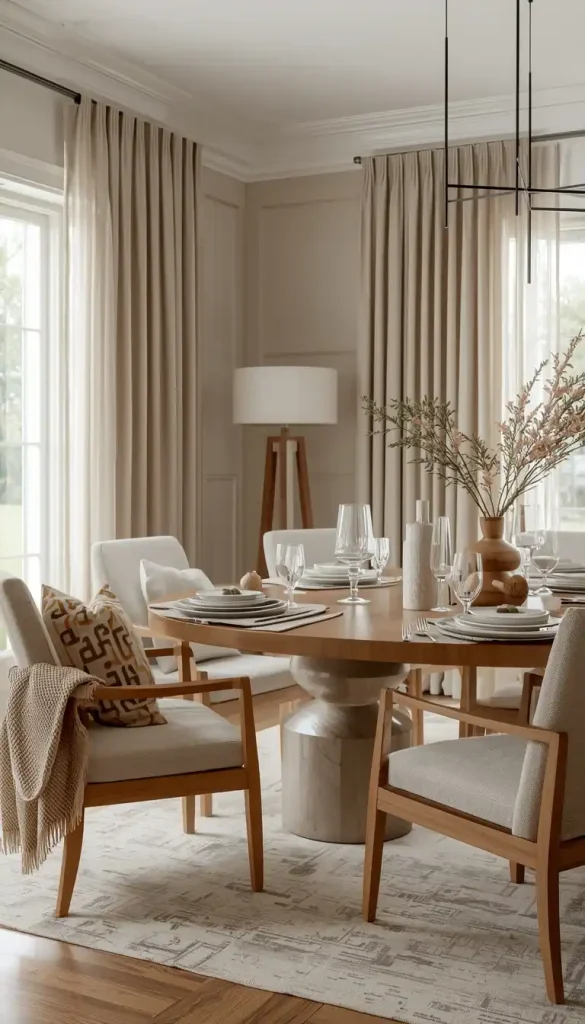
Creating a cozy and luxurious room always begins with a well-planned base. This foundation sets the tone for your entire space and makes fabric layering easier and more effective. A neutral base allows textures and accent elements to stand out naturally.
Large fabric elements like rugs, curtains, and upholstery should remain simple and cohesive. Choosing soft, breathable materials ensures comfort while maintaining a timeless aesthetic.
To create an effective base layer, focus on:
- Soft neutral tones like beige, cream, or warm gray for a calming backdrop
- Large fabric elements such as rugs and curtains to anchor the room
- Comfortable materials like cotton, linen, and wool for durability
- Subtle textures instead of flat finishes to add quiet depth
A well-balanced base prevents the room from feeling overwhelming and allows every additional layer to shine.
Designer Pro Tip: Choose neutral fabrics with a slight texture to avoid a flat and lifeless look.
2. Mix Fabric Textures to Add Depth and Visual Interest
Once your base is established, texture becomes the key element that transforms your space from simple to sophisticated. Fabric layering relies heavily on mixing textures to create depth and visual richness.
Instead of relying on one type of material, combine different fabrics that contrast yet complement each other.
Here are effective ways to mix textures:
- Combine smooth and plush materials like cotton with velvet
- Introduce cozy layers using wool, faux fur, or chunky knits
- Use woven fabrics to add an organic and natural touch
- Limit to 3–4 textures to maintain a clean and cohesive look
Texture not only enhances visual appeal but also influences how your room feels. Soft fabrics create warmth, while structured materials add balance.
Designer Pro Tip: Place contrasting textures next to each other to make each layer stand out more effectively.
3. Style Throws and Blankets for a Cozy Layered Look
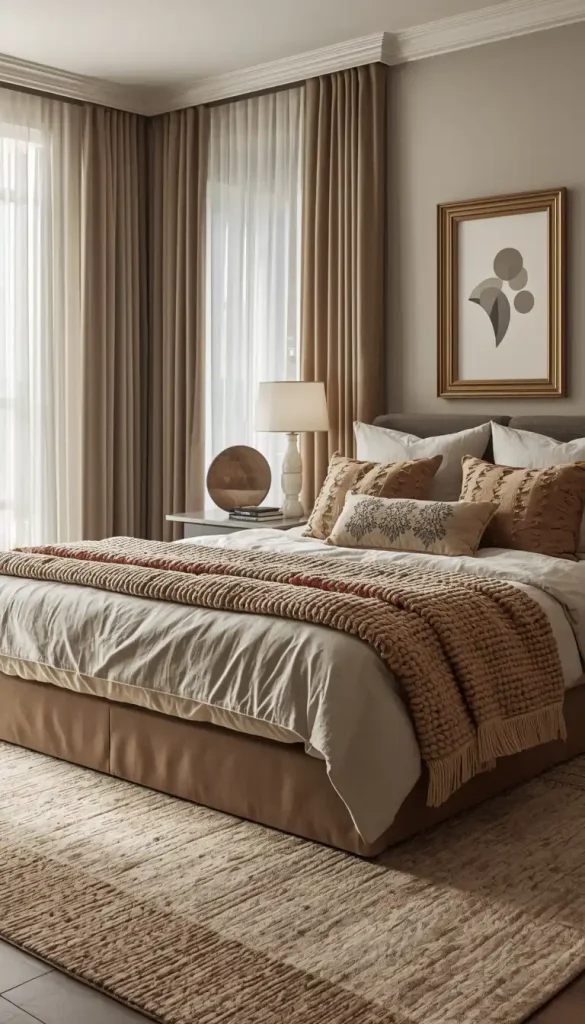
Throws and blankets are one of the simplest ways to add warmth and personality to your space. When styled correctly, they create a relaxed and inviting atmosphere that feels effortless.
Instead of storing them away, use throws as part of your decor. Drape them casually over furniture to create movement and softness.
To style throws effectively:
- Drape loosely over sofas or beds for a relaxed feel
- Mix lightweight and chunky fabrics for variation
- Use accent colors to introduce subtle contrast
- Avoid over-layering to keep the space clean
Throws are both functional and decorative, making them a key element in fabric layering.
Designer Pro Tip: Use one or two throws per area to maintain balance without clutter.
In this video, learn how to layer fabrics like a designer. From building a neutral base to mixing textures and styling cozy accents, these practical tips will help you create a space that feels both luxurious and comfortable.
4. Layer Cushions to Enhance Comfort and Style
Cushions are essential for adding comfort and personality to your space. They are one of the easiest ways to experiment with fabric layering on a smaller scale.
Layering cushions properly can instantly elevate your furniture while creating a welcoming and cozy feel.
Follow these simple cushion styling ideas:
- Start with larger cushions at the back for support
- Add smaller cushions in front for detail and layering
- Mix textures and fabrics like linen, velvet, and embroidery
- Stick to a consistent color palette for a cohesive look
Avoid perfectly symmetrical arrangements, as they can feel too formal. A slightly relaxed layout creates a more inviting atmosphere.
Designer Pro Tip: Limit your cushion colors to two or three shades to keep the design harmonious.
5. Balance Colors and Patterns for a Cohesive Design
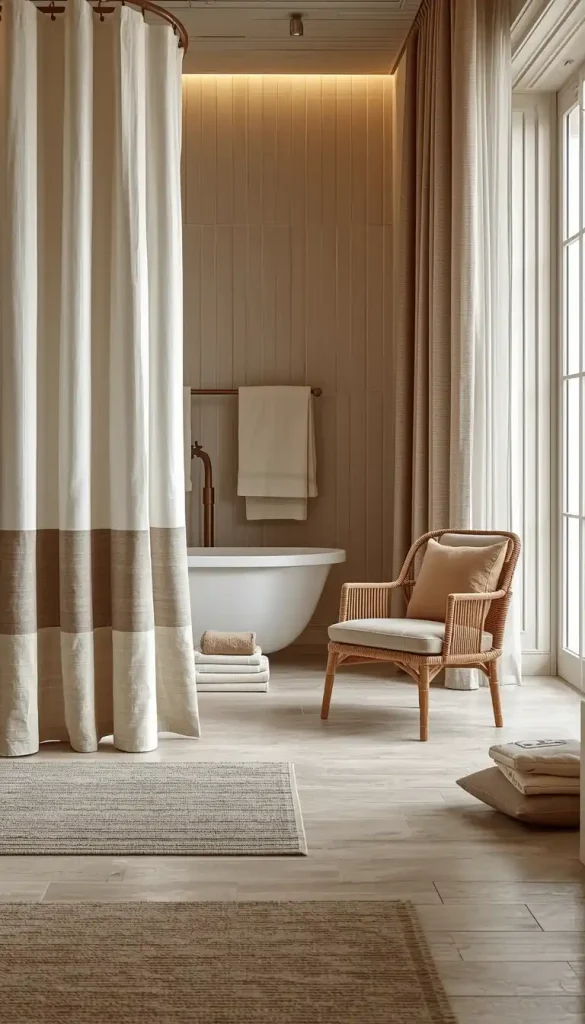
Color and pattern coordination plays a major role in successful fabric layering. Without balance, even well-chosen fabrics can feel overwhelming.
The goal is to create harmony while still adding visual interest.
To achieve a balanced look:
- Use a neutral base color to ground the design
- Add accent colors through smaller fabric elements
- Mix patterns carefully by keeping them within the same palette
- Vary pattern sizes to avoid visual monotony
Layering different tones within the same color family adds richness without disrupting the overall flow.
A thoughtful approach to color ensures your space feels both stylish and comfortable.
Designer Pro Tip: Follow the 60-30-10 rule to distribute colors evenly across your room.
6. Use Layered Curtains and Drapes for Warmth and Elegance
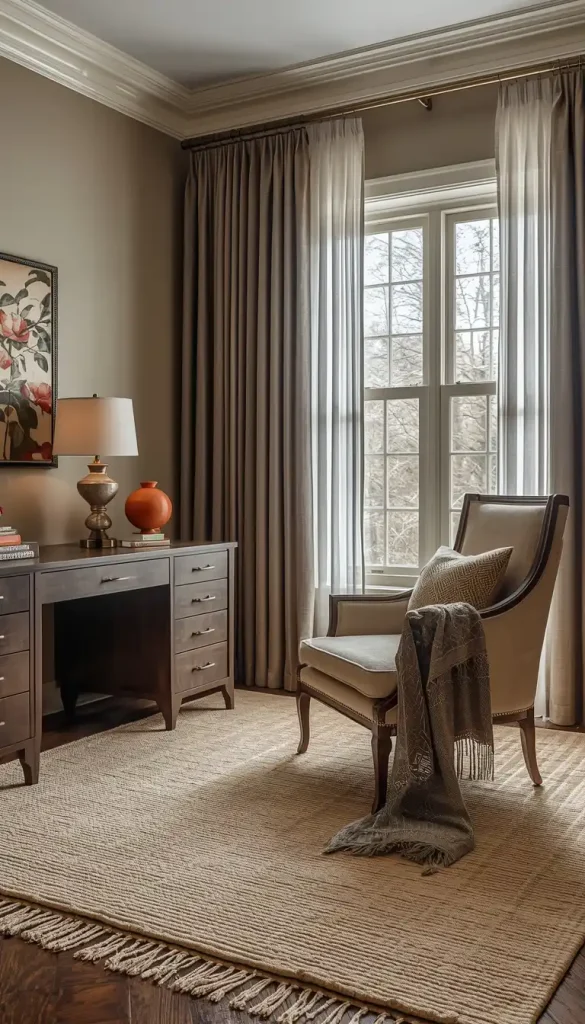
Curtains are often overlooked, but they play a key role in fabric layering. They add softness, depth, and a finished look to your space.
Layering sheer and heavy curtains creates both functionality and style.
To layer curtains effectively:
- Start with sheer panels to allow natural light
- Add heavier drapes for warmth and privacy
- Choose floor-length curtains to create height
- Match colors with your overall palette for consistency
Well-layered curtains enhance both comfort and visual appeal, making your room feel complete.
Designer Pro Tip: Hang curtains higher than the window frame to make your space appear larger.
Final Thoughts
Fabric layering is not just about adding decorative elements. It is about creating a space that feels warm, inviting, and thoughtfully designed. When done correctly, it transforms a simple room into a cozy retreat that reflects both comfort and style.
Many spaces feel incomplete because they lack texture and softness. By introducing layers through rugs, cushions, throws, and curtains, you can instantly enhance the atmosphere of your home without a large investment.
The key to successful fabric layering is balance. Combining textures, maintaining a cohesive color palette, and arranging elements with intention ensures your space feels harmonious rather than cluttered.
Fabric layering is also flexible and evolving. You can refresh your room with small changes, experiment with new materials, and adapt your design over time. This makes it an accessible and enjoyable way to elevate your home.
With attention to detail and a thoughtful approach, you can achieve a designer-level look that feels both luxurious and comfortable.
If you want to add even more personality and style to your home, check out our guide on 8 Powerful Ways to Design a Story-Based Gallery Wall That Reflects Your Personality for tips on creating walls that tell a story and complement your layered fabrics beautifully.
Frequently Asked Questions
How do you layer fabrics in a room effectively?
Start with a neutral base, then gradually add different textures like throws, cushions, and curtains. Focus on balance and avoid overcrowding.
What fabrics make a room feel cozy?
Soft materials like wool, velvet, cotton, and faux fur are ideal for creating a warm and inviting atmosphere.
How many textures should I use in one room?
It is best to use three to four different textures to maintain variety without overwhelming the space.
Can I mix patterns when layering fabrics?
Yes, but keep them within the same color palette and vary the scale to maintain harmony.
Do layered fabrics work in small spaces?
Absolutely. Using lighter colors and fewer layers can still create a cozy feel without making the space look crowded.