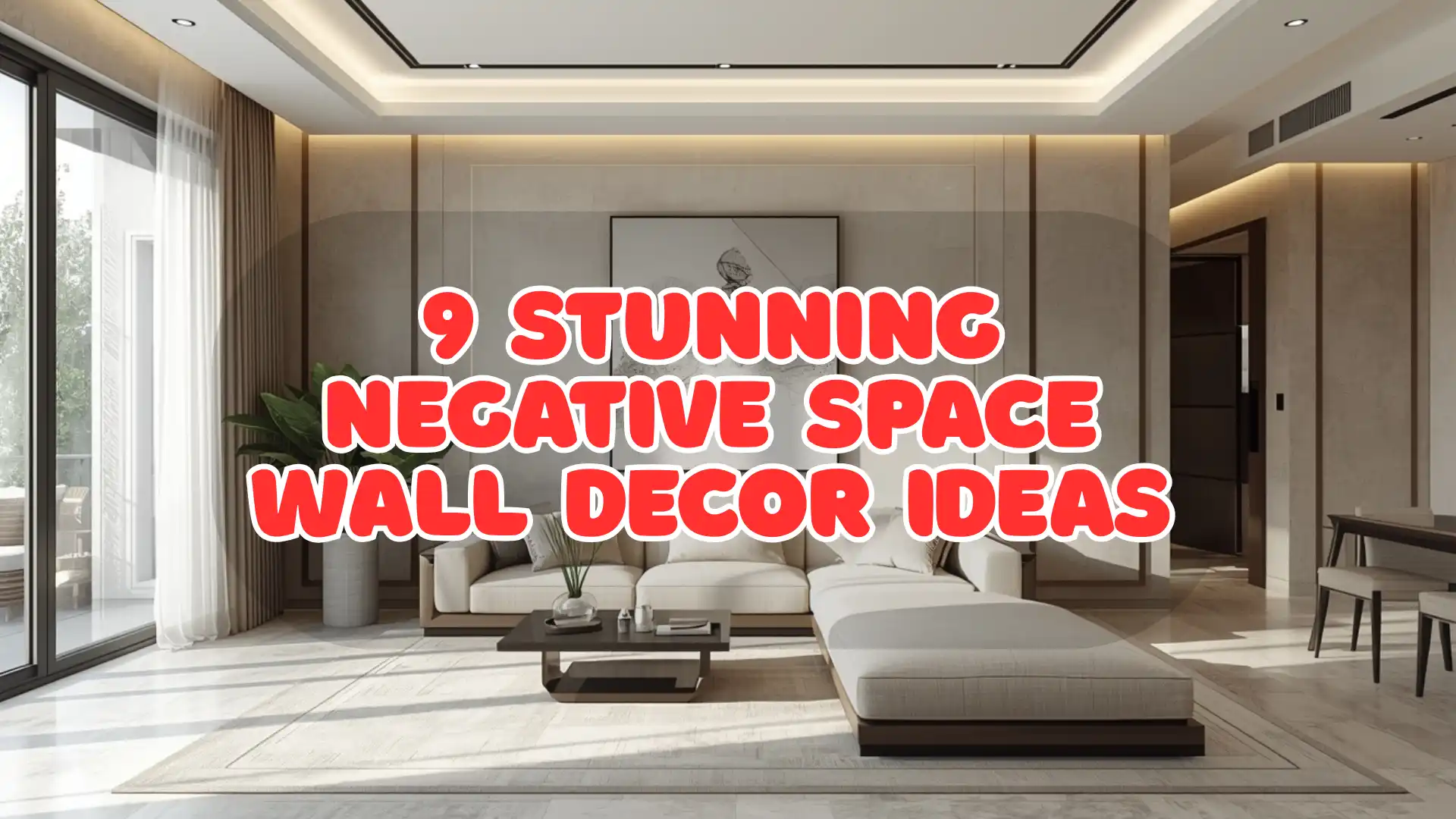
9 Stunning Negative Space Wall Decor Ideas That Instantly Create a Luxurious Minimalist Look
Luxury does not always mean adding more decorations, expensive furniture, or bold colors. In modern interior design, true luxury often comes from what you choose not to include. This is where the concept of negative space becomes powerful.
Negative space refers to the empty areas surrounding decorative elements. Instead of filling every wall with artwork or shelves, negative space allows the room to breathe. It highlights key pieces, enhances visual balance, and creates a calm, refined environment.
Minimalist luxury interiors often rely on intentional emptiness. Large blank walls, carefully placed artwork, and subtle textures create an atmosphere that feels sophisticated without being overwhelming.
In this article, you will discover 9 stunning negative space wall decor ideas that create a luxurious feel while maintaining simplicity. Each idea is practical, stylish, and adaptable to different room sizes and budgets.
Table of Contents
What Is Negative Space in Wall Decor?
Before exploring the ideas, it is important to understand the meaning of negative space in wall design.
Negative space is the empty area surrounding objects such as artwork, mirrors, shelves, or decorative panels. Instead of treating empty walls as wasted space, designers use them as part of the visual composition.
Luxury interiors often feel spacious because they avoid overcrowding. When too many decorations are placed together, the wall feels busy. But when fewer items are spaced thoughtfully, each piece becomes more noticeable.
Benefits of using negative space:
- Creates a clean and uncluttered look
- Makes rooms feel larger and brighter
- Enhances the impact of key decor pieces
- Adds a calm and relaxing atmosphere
- Supports luxury minimalism
Now let’s explore the best ideas you can use.
1. Oversized Single Artwork With Wide Margins
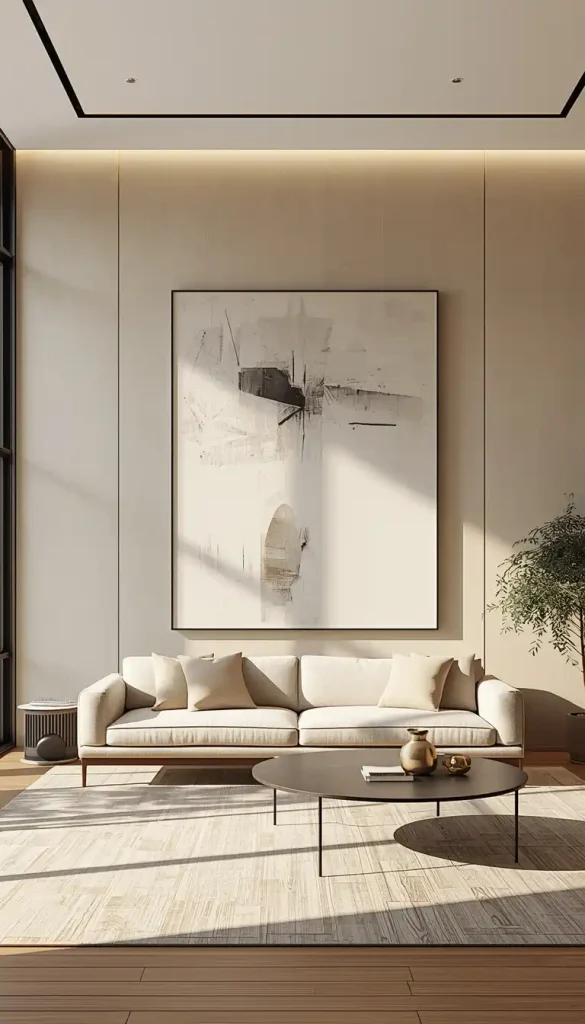
One of the simplest ways to use negative space is placing a single oversized artwork on a large blank wall. Instead of hanging multiple small frames, one large piece becomes the focal point.
Luxury interiors often feature artwork that is surrounded by generous empty space. This spacing creates balance and allows the artwork to stand out naturally.
Best tips:
- Leave at least 12 to 24 inches of space around it
- Choose artwork with minimal colors
- Use neutral backgrounds like white or beige walls
- Keep furniture minimal beneath the artwork
This method works especially well in:
- Living rooms
- Entryways
- Dining areas
- Bedroom feature walls
A single bold piece surrounded by empty space instantly creates a high-end visual effect.
2. Floating Shelves With Minimal Styling
Floating shelves can easily look cluttered if overfilled. However, when styled minimally, they become powerful design elements.
Instead of placing many items, use only two or three carefully selected objects.
Ideal items include:
- Ceramic vases
- Sculptural decor
- Small plants
- Books stacked horizontally
Leave visible space between each item. This spacing creates visual rhythm and enhances the sense of elegance.
Luxury interiors often use asymmetrical placement. For example, placing one object on one side of the shelf while leaving the other side empty creates balance without symmetry.side of the shelf while leaving the other side empty creates balance without symmetry.
3. Gallery Wall With Strategic Spacing
Gallery walls do not have to be crowded. A luxury-style gallery wall focuses on spacing rather than quantity.
Instead of tightly placing frames together, increase the distance between each frame. This spacing transforms a typical gallery into a sophisticated display.
Best practices:
- Use 3 to 5 frames only
- Maintain equal spacing
- Choose similar frame colors
- Stick to a neutral art theme
Wide spacing allows each piece to breathe visually.
This style works well in:
- Hallways
- Staircases
- Home offices
4. Statement Wall Panel With Empty Surroundings
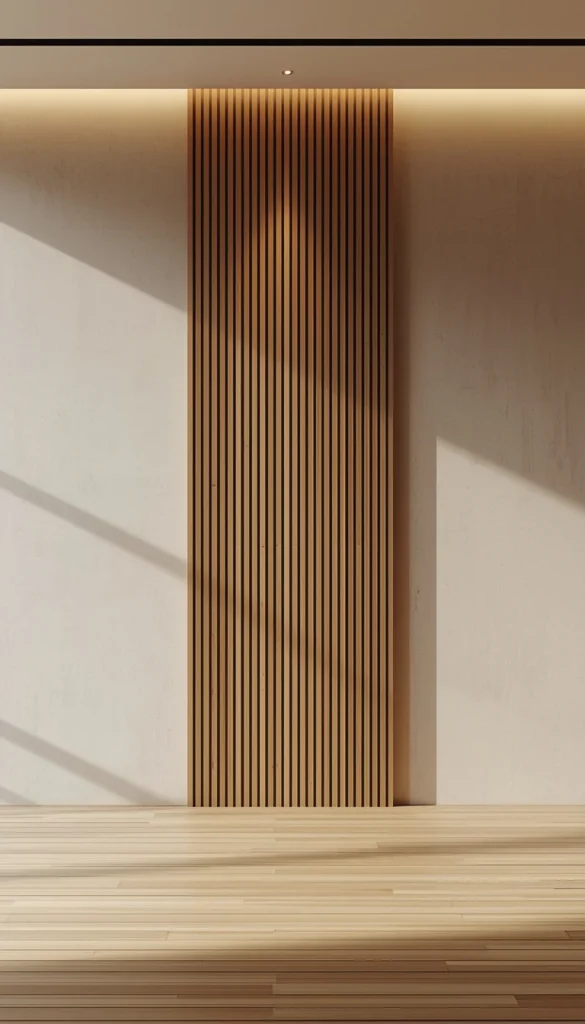
Wall panels can add depth and texture while maintaining minimalism. A single statement panel surrounded by empty space creates visual drama without clutter.
Popular materials:
- Wood slats
- Marble panels
- Textured plaster
- Fabric panels
Instead of covering the entire wall, place the panel in a central section, leaving surrounding areas blank.
This creates a luxury hotel-style look that feels modern and refined.
5. Minimal Wall Mirror With Open Space
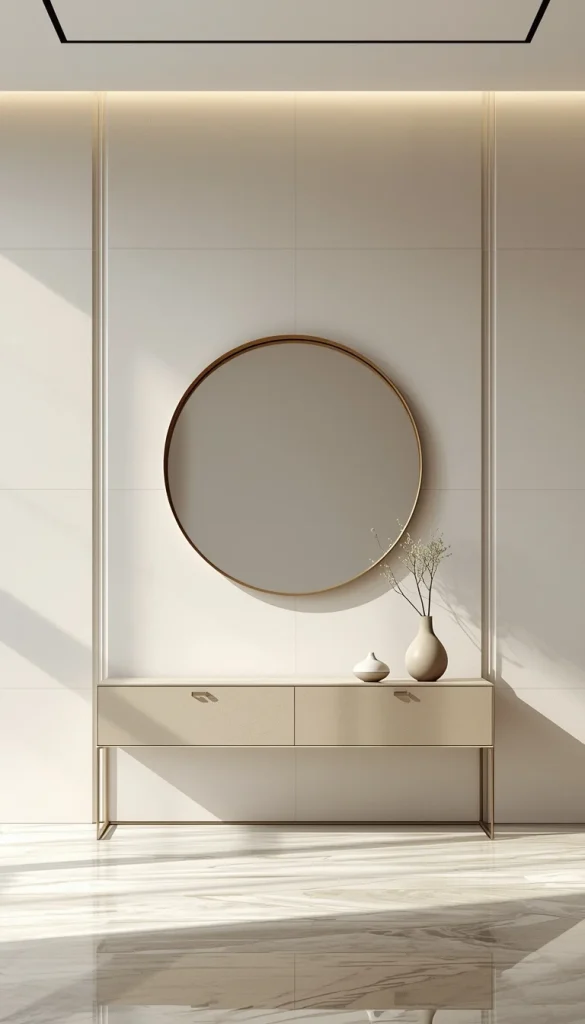
Mirrors naturally enhance negative space because they reflect light and expand visual depth.
A single round or rectangular mirror placed on a blank wall creates an elegant focal point.
Luxury mirror styling tips:
- Choose thin metallic frames
- Avoid adding extra decor around the mirror
- Place mirror slightly above furniture
- Keep surrounding walls uncluttered
Mirrors work especially well in:
- Small living rooms
- Bedrooms
- Entryways
They create brightness while maintaining minimalism.
Enhancing your space with negative space is not just about removing clutter it is about making intentional design choices that elevate your home. In this video, you will discover smart and practical design hacks that instantly make any room look more expensive, from lighting techniques to styling tips that complement minimalist wall decor beautifully.
6. Neutral Wall Color With Textured Accents
Negative space does not always mean empty white walls. Texture can replace decoration and still maintain a clean, minimal appearance.
Walls finished with subtle texture can become decorative on their own, reducing the need for additional wall decor. This approach creates depth while keeping the design simple and refined.
Popular textures:
- Limewash paint
- Venetian plaster
- Concrete finish
- Fabric wall coverings
These materials add depth without adding clutter. Luxury interiors often rely on texture instead of objects. This keeps walls visually interesting while maintaining simplicity.s visually interesting while maintaining simplicity.
7. Single Sculptural Wall Decor Piece
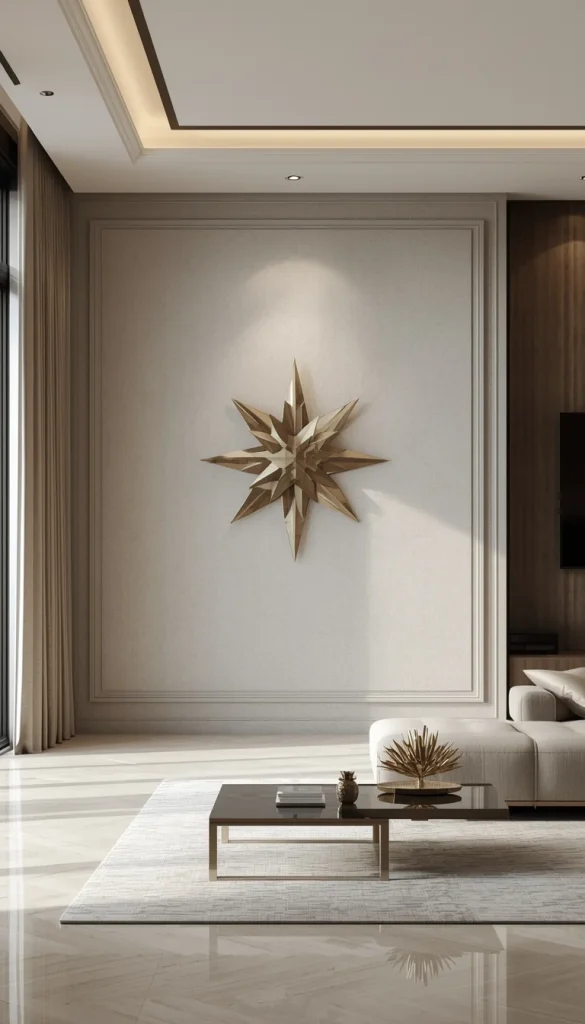
A sculptural wall piece surrounded by negative space creates artistic elegance and visual interest.
Instead of using flat frames, consider three-dimensional wall sculptures made from different materials. These pieces stand out naturally when surrounded by empty space.
Materials to consider:
- Metal
- Wood
- Ceramic
- Resin
Choose a piece with organic shapes or geometric design. Leave generous empty space around the sculpture. This isolates the object and increases its visual importance.
This style works beautifully in:
- Modern living rooms
- Dining areas
- Luxury apartments
8. Minimal Wall Lighting as Decor
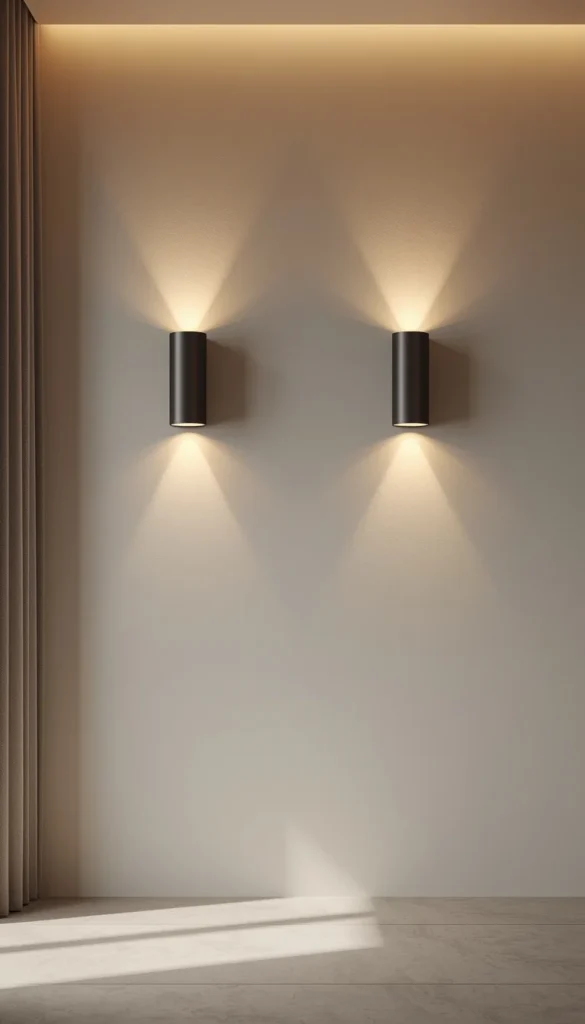
Lighting fixtures can act as wall decor while supporting negative space. Instead of filling walls with artwork, lighting elements can provide both function and visual beauty.
Wall-mounted lighting options help create a modern and luxurious atmosphere.
Wall-mounted lighting options:
- Sconces
- Linear LED fixtures
- Accent lighting
Luxury spaces often use lighting instead of artwork. Spacing remains essential. Avoid placing multiple fixtures too close together.
Benefits include:
- Improved ambiance
- Highlighted wall textures
- Modern luxury feel
Lighting creates mood while keeping the wall visually clean.
9. Blank Wall With One Subtle Accent
Sometimes the most luxurious design is the simplest.
A nearly blank wall with one small decorative element creates refined elegance. The simplicity makes the single accent feel more intentional and valuable.
This element could be:
- A small framed artwork
- A narrow shelf
- A minimal wall clock
- A single plant
The large surrounding space creates contrast, making the accent more noticeable.
This approach works well in minimalist interiors where calmness and balance are essential.
Common Mistakes to Avoid When Using Negative Space
Even though negative space looks simple, mistakes can reduce its effectiveness and make walls feel incomplete rather than intentional.
Avoid these common errors:
Overcrowding the wall – Adding too many decorations defeats the purpose of negative space. Keep only essential items that support the design.
Using decorations that are too small – Tiny items can look lost in large empty areas. Choose decor that matches the wall size.
Ignoring wall proportions – Large walls require appropriately scaled decor pieces. Small decor on large walls creates imbalance.
Mixing too many colors – Luxury minimalism depends on controlled color palettes. Stick to two to three main colors for best results.
Best Colors for Luxurious Negative Space Walls
Color plays a critical role in creating elegant negative space. Neutral tones allow empty space to feel intentional rather than unfinished.
Popular luxury colors include:
- Soft white
- Warm beige
- Light gray
- Cream
- Taupe
- Soft greige
These tones create calm environments and reflect light effectively.
Darker tones like charcoal or deep navy can also work when used strategically. When using darker colors, keep decor minimal to maintain balance.
How to Choose the Right Decor Size for Negative Space
Size selection is essential for balanced wall styling. The correct size helps maintain visual harmony.
General size guidelines:
- Large walls → Oversized artwork
- Medium walls → Medium decor pieces
- Small walls → Minimal accents
Leave enough space around each item so it does not feel crowded.
A helpful rule – Decor should occupy about 40 to 60 percent of the wall width.
This creates balance without overcrowding the space.
Why Negative Space Feels Luxurious
Luxury design is often associated with space, calmness, and simplicity. Negative space supports these qualities by reducing visual noise and enhancing clarity.
Negative space supports:
- Visual balance
- Light flow
- Spacious feeling
- Focus on quality over quantity
High-end hotels, designer homes, and modern apartments often rely on negative space rather than excessive decoration.
This approach communicates confidence, elegance, and refined taste.
Final Throughput
Using negative space in wall decor is not about leaving walls empty. It is about designing with purpose. When done correctly, minimal wall decor creates a sense of luxury, sophistication, and visual calm that few other design methods can match.
From oversized artwork to subtle textures and sculptural accents, each technique in this guide helps transform everyday walls into elegant focal points. By focusing on balance, spacing, and thoughtful placement, you can achieve a designer-level look without overwhelming your space.
Start experimenting with one idea at a time. Observe how your room feels and refine your layout gradually. Over time, your walls will reflect not just decoration but intentional luxury and timeless style.
You may also like : 9 Modern Wooden Desk and Chair Ideas for Stylish Home Office
What is negative space in wall decor?
Negative space in wall decor refers to the empty areas around decorative elements such as artwork, mirrors, or shelves. Instead of filling every part of the wall, designers intentionally leave open space to create balance, highlight focal points, and make rooms feel more spacious and luxurious.
How do you decorate walls using negative space?
To decorate walls using negative space, focus on placing fewer items with proper spacing. Use one large artwork, minimal floating shelves, or a single statement piece instead of multiple small decorations. Leave enough empty space around each item so it stands out clearly.
Does negative space make a room look bigger?
Yes, negative space can make a room appear larger and more open. Empty areas reduce visual clutter, allowing light to reflect freely and creating a sense of spaciousness. This technique is commonly used in modern and minimalist interior design to enhance room proportions.
What colors work best for negative space wall design?
Neutral colors work best for negative space wall decor. Shades like white, beige, cream, light gray, and soft taupe create a calm and elegant background. These colors help highlight decorative pieces without overwhelming the overall design.