

8 Effortless Ways to Smoothly Transition Your Home Decor Between Seasons
Refreshing your home throughout the year does not require constant redecorating or large expenses. The secret to a beautifully styled space is learning how to transition home decor between seasons in a way that feels natural, balanced, and intentional. Instead of replacing everything, you can refresh your home with small updates that reflect each season’s mood, colors, and textures.
When done correctly, seasonal transitions make your home feel alive and thoughtfully designed. The goal is to create a flexible foundation and then layer in seasonal elements that enhance your space without overwhelming it. These eight strategies will help you smoothly transition home decor between seasons while keeping your home elegant, cozy, and functional.
Table of Contents
1. Start with a Neutral Base
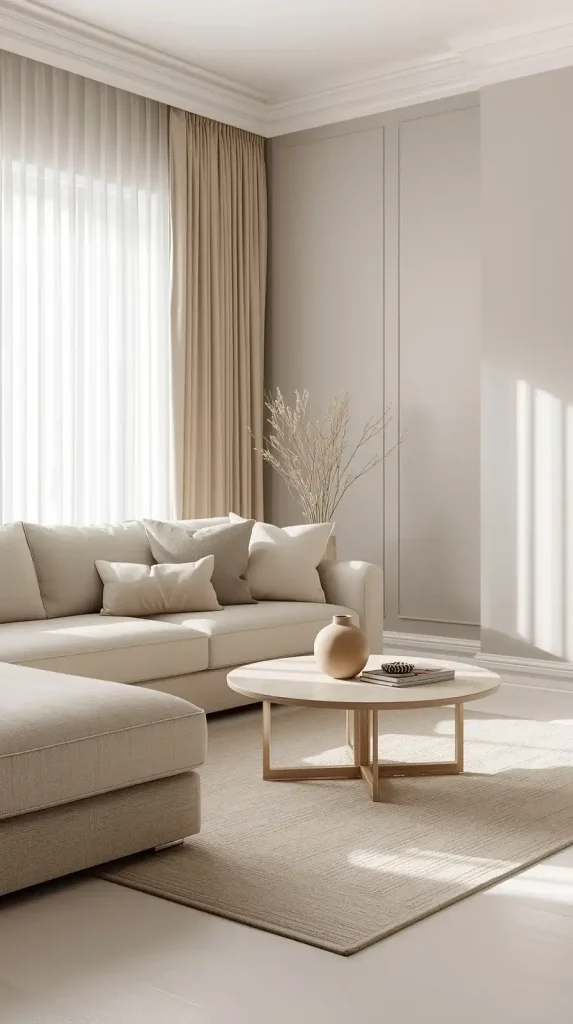
A neutral base is the foundation of any home that transitions effortlessly between seasons. When your larger furniture pieces and core decor elements are neutral, it becomes much easier to update your space without starting from scratch.
Neutral tones such as white, beige, soft gray, and warm earth tones create a timeless backdrop. These shades allow seasonal accents to stand out while maintaining a cohesive overall look. Whether it is your sofa, curtains, or rugs, keeping these elements neutral ensures flexibility all year long.
- choose timeless colors like beige, ivory, or light gray for large furniture
- keep walls simple with soft neutral paint to support seasonal accents
- invest in versatile pieces that work in both warm and cool seasons
Once your base is set, transitioning becomes effortless. You only need to swap smaller decorative elements instead of reworking the entire room.
Designer Pro Tip: Always build your room around a neutral anchor piece such as a sofa or rug. This allows you to refresh your decor quickly without losing visual harmony.
2. Swap Textiles for Instant Impact
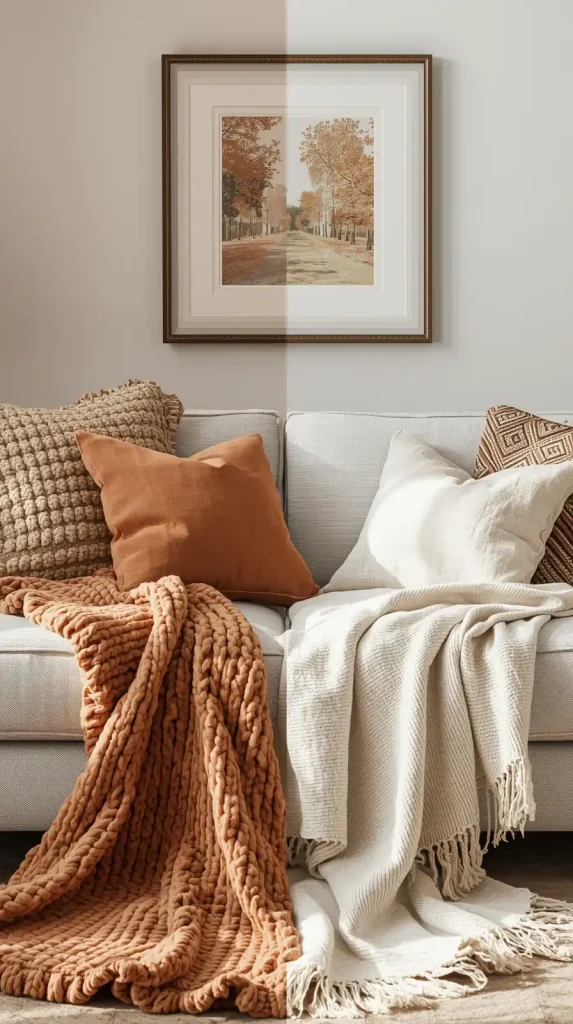
Textiles are one of the easiest and most effective ways to transition home decor between seasons. Changing fabrics instantly alters the feel of a room without requiring major effort or expense.
During colder months, heavier materials like wool, velvet, and knit fabrics create warmth and comfort. In warmer seasons, lighter fabrics such as cotton and linen bring in an airy and refreshing feel.
- rotate cushion covers to match seasonal colors and textures
- change throws from heavy knits to lightweight fabrics
- update curtains with breathable materials in warmer months
These small changes can dramatically shift the atmosphere of your home. A simple switch from thick textures to light ones can make your space feel completely different.
Designer Pro Tip: Store your off season textiles neatly and rotate them intentionally. This keeps your home organized while making seasonal transitions quick and stress free.
3. Refresh Your Color Palette
Color plays a major role in how a space feels throughout the year. To transition home decor smoothly, focus on adjusting your color palette rather than replacing your entire setup.
Warmer months often call for soft pastels, fresh greens, and light neutrals. Cooler months benefit from deeper tones like rust, navy, and forest green. These shifts reflect the natural environment and create a sense of seasonal harmony.
- introduce seasonal accent colors through pillows and decor pieces
- limit bold colors to smaller items for easy swapping
- maintain balance by keeping your base palette consistent
Updating your color scheme does not need to be dramatic. Even subtle changes can create a noticeable seasonal shift.
Designer Pro Tip: Choose two or three seasonal accent colors and repeat them throughout the room to create a cohesive and polished look.
4. Layer and Remove Accessories Thoughtfully
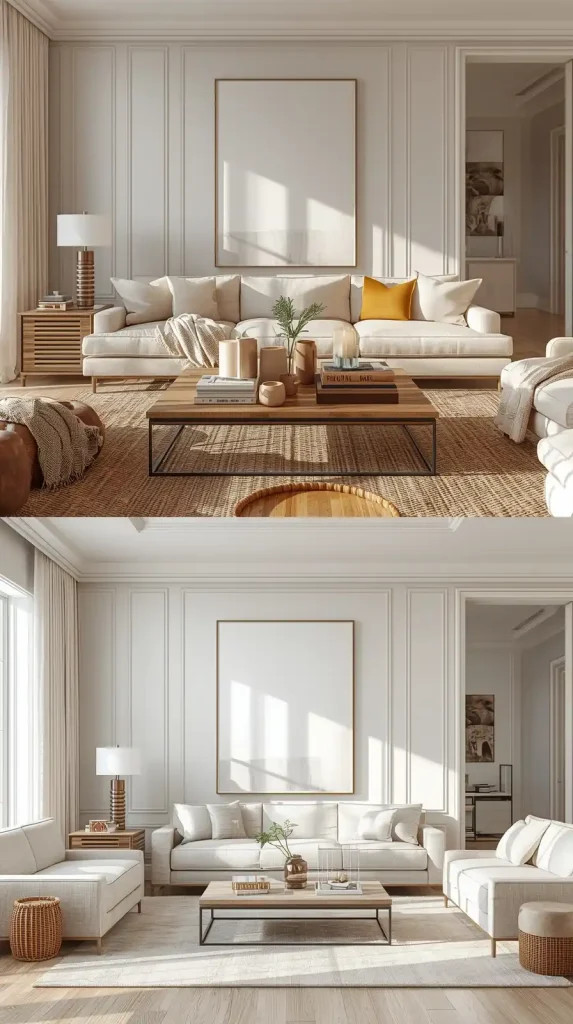
Accessories are where seasonal styling truly comes to life. The key is to add and remove items with intention rather than cluttering your space.
In cooler seasons, layering creates warmth and depth. In warmer seasons, simplifying your decor helps your home feel open and breathable. This balance ensures your space never feels overcrowded.
- add layered decor like candles and trays during colder months
- remove excess items to create a lighter summer look
- focus on key pieces that make the biggest visual impact
Thoughtful styling allows each piece to stand out while contributing to the overall design.
Designer Pro Tip: Follow the rule of editing. If an item does not enhance the seasonal look, remove it to maintain a clean and intentional space.
Want your home to feel stylish and polished as you transition decor between seasons? This video shares simple design hacks to make any space look more expensive and thoughtfully styled without breaking the budget.
5. Bring in Seasonal Nature Elements
Nature is one of the most powerful tools for transitioning home decor between seasons. Incorporating natural elements keeps your home feeling fresh and connected to the outdoors.
In spring and summer, greenery and fresh flowers add life and energy. In autumn and winter, dried branches, pinecones, and warm toned foliage create a cozy atmosphere.
- use fresh flowers for a vibrant seasonal touch
- add greenery to bring life into any room
- switch to natural textures like wood and dried elements in colder months
Natural decor elements are often affordable and easy to update, making them ideal for seasonal transitions.
Designer Pro Tip: Keep a few versatile vases and containers so you can easily swap natural elements without changing your entire setup.
6. Adjust Lighting for Seasonal Mood
Lighting has a huge influence on how your home feels throughout the year. Adjusting your lighting can help you transition home decor between seasons without changing physical decor items.
During darker months, warm lighting creates a cozy and inviting atmosphere. In brighter seasons, maximizing natural light makes your space feel fresh and open.
- use warm light bulbs to create a cozy winter ambiance
- maximize natural light by opening curtains in warmer months
- add layered lighting such as lamps and candles for depth
Lighting changes are subtle but powerful. They can completely transform the mood of a room.
Designer Pro Tip: Use dimmable lighting to easily adjust brightness and mood depending on the season and time of day.
7. Rotate Artwork and Decorative Displays
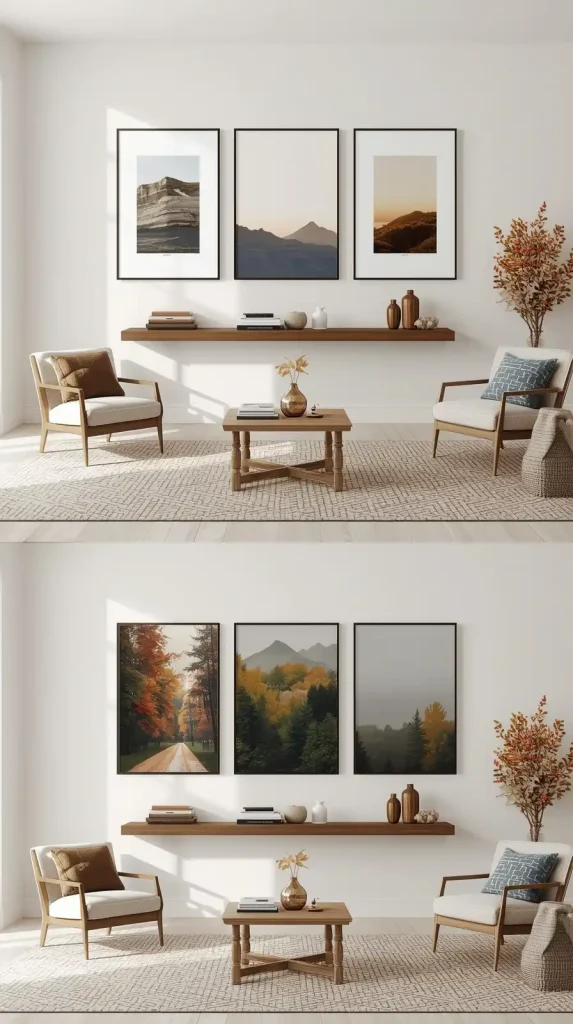
Artwork and decorative displays are often overlooked when transitioning decor, but they can make a significant difference. Rotating these elements helps keep your home visually interesting and aligned with the season.
Seasonal artwork can reflect colors, themes, and moods that complement your overall design. Even small changes like switching frames or prints can refresh your space.
- swap artwork prints to match seasonal tones
- update shelf styling with seasonal decor items
- rearrange displays to create a fresh perspective
These updates keep your home dynamic without requiring major changes.
Designer Pro Tip: Keep a small collection of interchangeable prints and decor items so you can refresh your displays quickly throughout the year.
8. Declutter and Reset Each Season
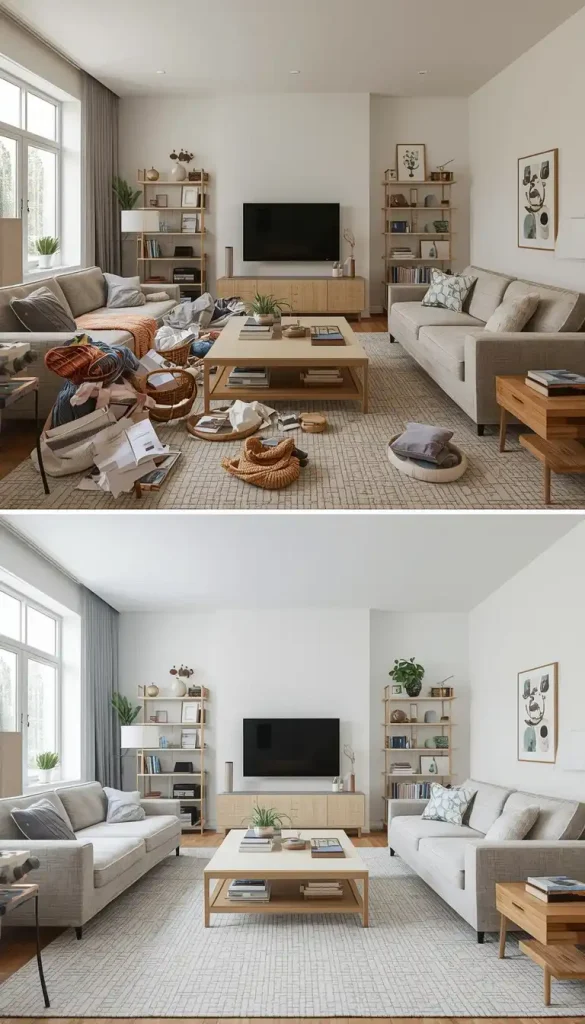
Decluttering is an essential step in any seasonal transition. A clean and organized space allows your decor to shine and prevents your home from feeling overwhelming.
Each season is an opportunity to reset your space by removing items that no longer fit the current mood or function. This process keeps your home feeling intentional and well maintained.
- remove unused decor before adding new seasonal pieces
- organize storage for easy access to seasonal items
- focus on simplicity to maintain a clean and balanced look
A clutter free space not only looks better but also feels more comfortable and relaxing.
Designer Pro Tip: Treat each seasonal transition as a mini reset. This helps you maintain a fresh and organized home all year long.
Final Thoughts
Learning how to transition home decor between seasons is not about chasing trends or constantly buying new items. It is about understanding how to adapt your space in a way that feels natural, comfortable, and visually balanced throughout the year. When you approach seasonal decorating with intention, your home becomes more than just a place to live. It becomes a reflection of changing moods, climates, and personal style.
The most successful seasonal transitions happen when you focus on flexibility. A neutral base, adaptable decor pieces, and thoughtful layering allow you to refresh your space without unnecessary effort. Instead of making drastic changes, small updates such as switching textiles, adjusting lighting, or adding natural elements can completely transform the atmosphere of your home.
It is also important to remember that less is often more. Over decorating can make transitions feel stressful and cluttered, while a simplified approach creates a calm and inviting environment. By carefully choosing what to add and what to remove, you maintain a sense of balance that works in every season.
Consistency plays a key role as well. Repeating colors, textures, and materials throughout your space helps create a cohesive look even as you make seasonal updates. This ensures that your home always feels connected rather than disjointed.
Finally, think of seasonal transitions as an opportunity rather than a task. Each change in season gives you a chance to refresh your surroundings, improve functionality, and bring new energy into your home. With the right approach, you can transition home decor between seasons smoothly while maintaining a space that feels stylish, welcoming, and uniquely yours all year round.
You might also like : 7 Modern Entryway Design Ideas to Create a Welcoming First Impression
Frequently Asked Questions
How often should I transition home decor between seasons?
You can transition home decor between seasons about four times a year, aligning with spring, summer, autumn, and winter. However, small updates in between can help keep your space feeling fresh without needing a full refresh.
What is the easiest way to transition home decor between seasons?
The easiest way is by swapping textiles such as cushions, throws, and curtains. These simple changes instantly update the look and feel of your space without requiring major effort or expense.
Do I need to buy new decor for every season?
No, you do not need to buy new items every season. Focus on using a neutral base and rotating existing decor pieces, colors, and textures to create a seasonal feel in a more budget friendly way.
How can I keep my home looking cohesive during seasonal changes?
To maintain a cohesive look, stick to a consistent base color palette and introduce seasonal accents in small amounts. Repeating colors and textures throughout the space helps create harmony.
What are common mistakes when transitioning home decor between seasons?
Common mistakes include over decorating, ignoring balance, and changing too many elements at once. Keeping updates simple and intentional ensures a smoother and more stylish transition.