7 Key Differences Between Modern vs Minimalist Interior Design
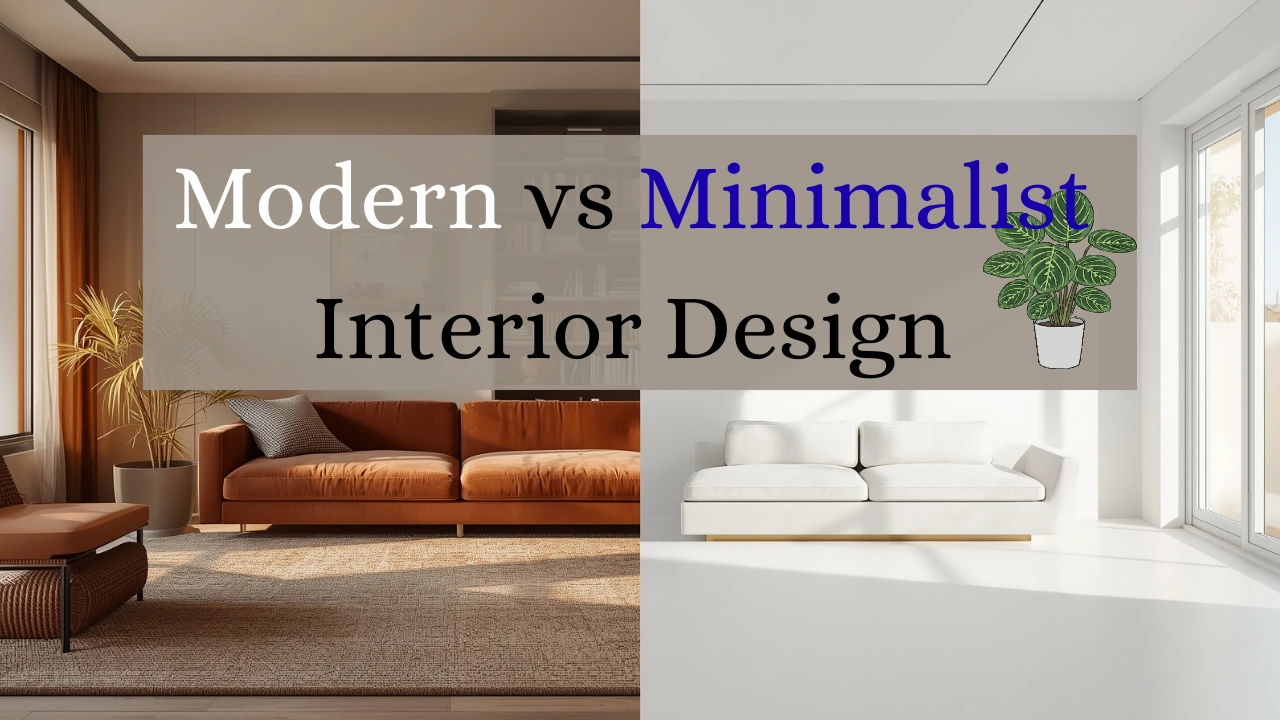
Have you ever stood in an empty room, completely paralyzed by how to decorate it? The modern vs minimalist debate is one of the most common dilemmas for homeowners who crave a clean, elegant, and timeless space. At first glance, these two styles look incredibly similar because they both reject heavy, traditional clutter in favor of clean lines. However, they are built on entirely different design philosophies.
Understanding the fundamental differences between these two popular styles will save you time, money, and frustration, helping you choose a look that truly reflects your lifestyle and home layout.
Table of Contents
1. Core Philosophy Behind Each Style
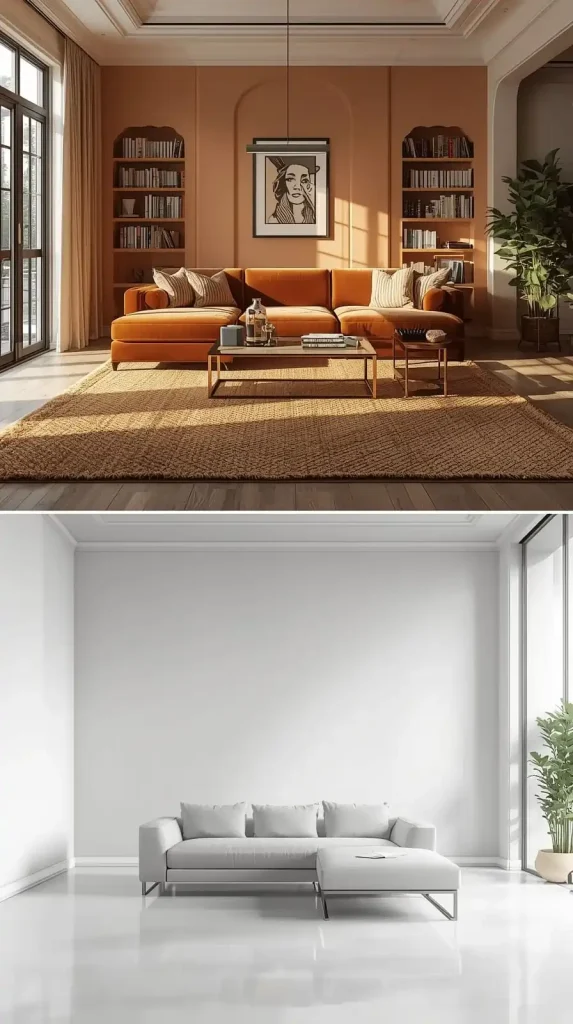
TheThe foundation of this comparison begins with philosophy. Each style approaches simplicity differently. Modern design focuses on balance, functionality, and comfort. It allows your personality to show through curated decor and layered textures.
Minimalism, on the other hand, follows the strict principle of less is more. It removes anything non-essential and prioritizes absolute clarity and restraint.
- Modern design embraces warmth while maintaining clean architectural lines.
- Minimalist design eliminates excess to create a feeling of absolute visual calm.
- Modern spaces feel highly curated, while minimalist spaces feel intentionally stripped back.
Designer Pro Tip: If you enjoy styling and subtle decorative layering, a modern aesthetic may feel more natural to you. If you prefer ultra-clean, empty surfaces, minimalism will suit you better.
2. Color Palette Differences
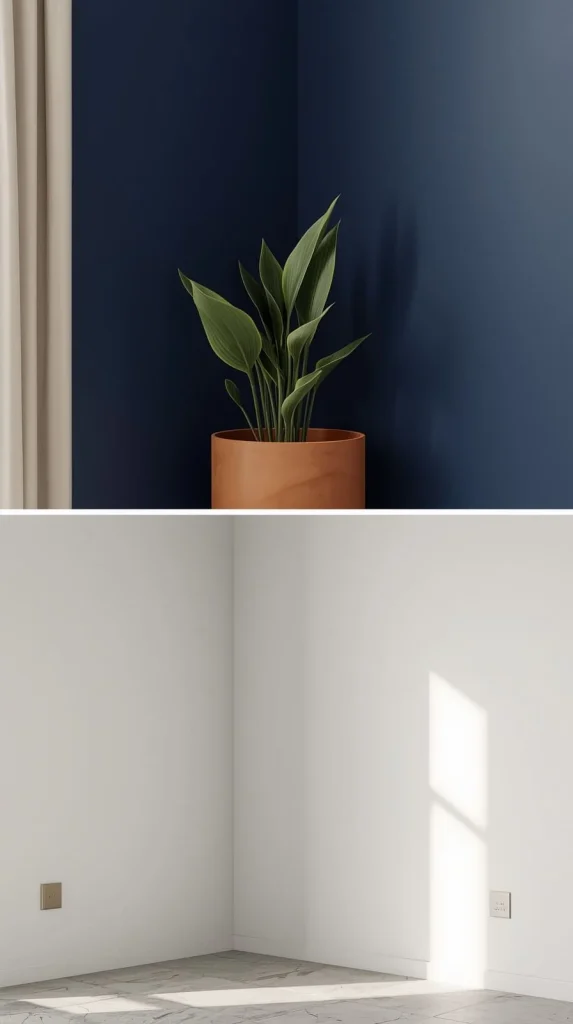
Color plays a major role in distinguishing these two styles. Modern interiors use neutral foundations but often incorporate richer accent tones for depth, contrast, and personality. Minimalist interiors keep color variation extremely limited, usually relying entirely on soft neutrals and muted shades.
- Modern spaces use bold accent colors like navy, forest green, or warm terracotta.
- Minimalist spaces strictly limit contrast to maintain visual simplicity and flow.
- Both styles favor neutral bases, but minimalist palettes are much more restrained.
Designer Pro Tip: If you prefer subtle contrast and having a few colorful accent pieces, modern design gives you significantly more flexibility.
3. Furniture Style
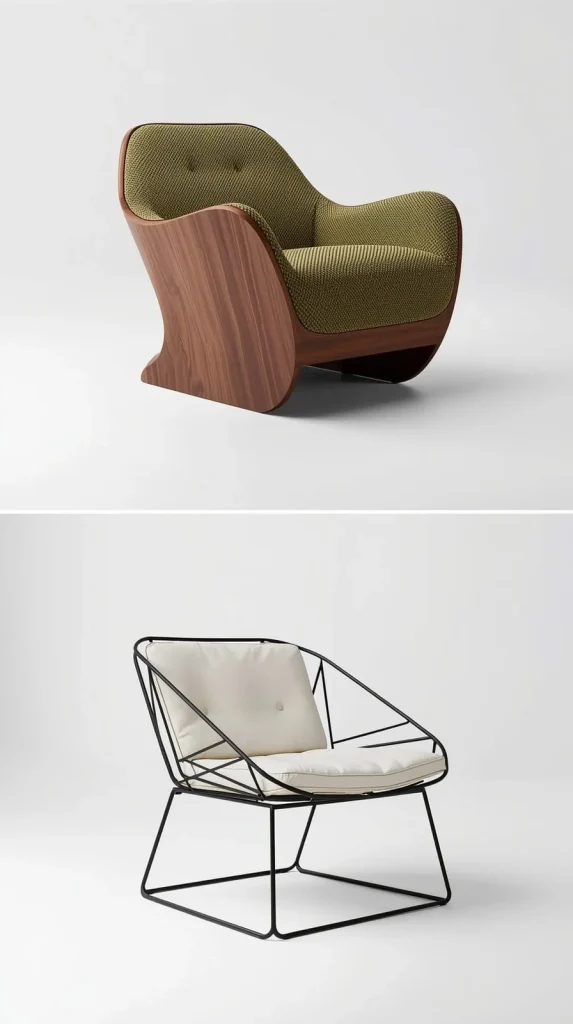
Furniture selection highlights another important difference. Modern furniture features sleek lines but frequently includes bold silhouettes, mixed materials, or large statement pieces. Minimalist furniture is heavily simplified, often lower-profile to the ground, and focused purely on function rather than form.
- Modern furniture includes sculptural elements and curves for visual interest.
- Minimalist furniture avoids ornamentation and extra detailing completely.
- Modern spaces often feature a focal statement piece, while minimalist rooms avoid focal excess.
Designer Pro Tip: In small rooms, minimalist furniture can actually make the space feel more open due to its reduced visual height and presence.
4. Use of Decor and Accessories
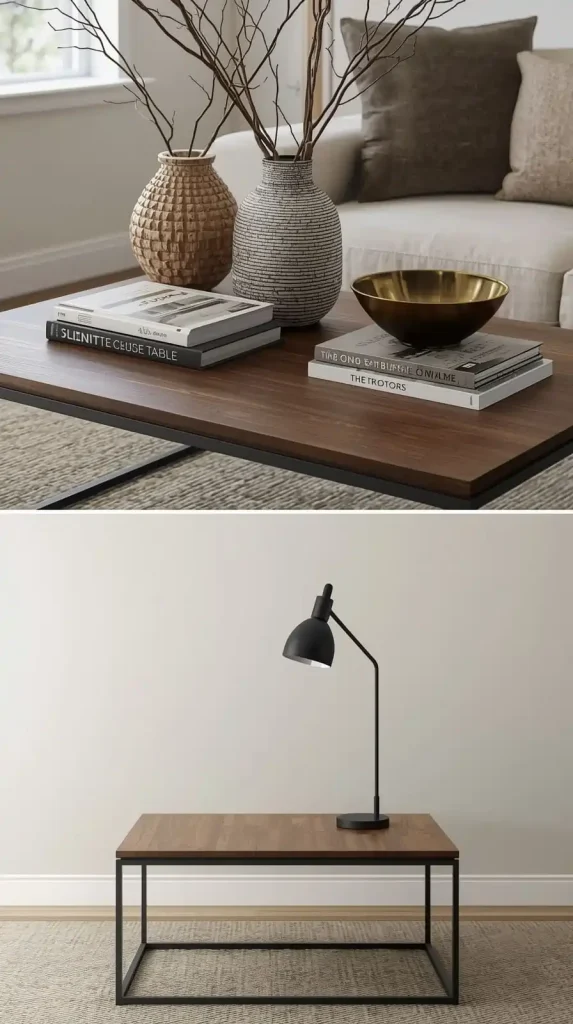
Decor is where the two aesthetics become most distinct. Modern homes include carefully chosen decorative items that add character without overwhelming the room. Minimalist interiors, however, use very few accessories. Every single object must serve a practical purpose or hold strong personal meaning.
- Modern design encourages curated decor such as gallery walls and statement lighting.
- Minimalist design limits decorative objects to one or two essential pieces only.
- Modern spaces feel beautifully styled, while minimalist spaces feel sparse and highly intentional.
Designer Pro Tip: If you enjoy rotating seasonal decor throughout the year, modern design offers much more freedom than strict minimalist styling.
Want a deeper dive into design aesthetics? Watch this brilliant breakdown explaining dozens of different interior design styles to help you find your perfect match!
5. Materials and Textures
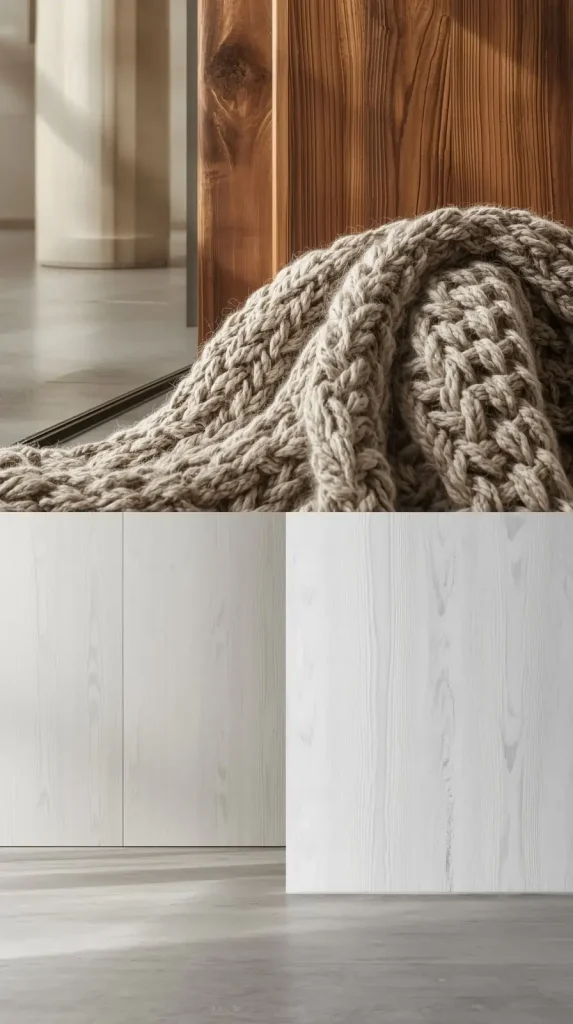
Material use is another defining element when comparing the two approaches. Modern interiors beautifully blend various materials such as warm wood, sleek metal, glass, and soft fabrics to create layered depth. Minimalist interiors reduce material variation, focusing on extreme cohesion and smooth, uninterrupted finishes.
- Modern design combines contrasting textures (like leather and knit wool) for cozy dimension.
- Minimalist design simplifies materials (like all concrete or all matte wood) to maintain clarity.
- Modern rooms feel richly layered, while minimalist rooms feel refined and tightly controlled.
Designer Pro Tip: To prevent a modern space from feeling cluttered, limit your material combinations to just three or four primary finishes per room.
6. Layout and Space Planning
Both styles favor open, airy layouts, but their execution differs slightly. Modern interiors often define specific “zones” using area rugs, overhead lighting, or strategic furniture placement. Minimalist interiors emphasize maximum empty space and visual breathing room above all else.
- Modern layouts create functional, cozy zones within larger open spaces.
- Minimalist layouts prioritize open floor area and keep furniture pushed back or limited.
- Both styles reduce visual barriers, but minimalism pushes openness to the absolute extreme.
Designer Pro Tip: In smaller homes or apartments, minimalist layouts can trick the eye into thinking rooms are much larger due to the increased negative space.
7. Emotional Impact
When deciding between these two looks, the emotional impact is often the final deciding factor. Modern design is meant to feel inviting, balanced, and comfortably “lived-in.” Minimalism is designed to feel calm, structured, and almost Zen-like in its intentionality.
- Modern design creates warmth paired with personal character.
- Minimalist design promotes mental clarity through visual silence.
- Modern rooms feel cozy yet refined, while minimalist rooms feel serene and uncluttered.
Designer Pro Tip: Spend time looking at photos of both types of spaces before committing to a furniture purchase. Your emotional comfort should be the ultimate guide for your design choice.
Final Thoughts
When comparing these two design styles, the main difference lies in exactly how much you choose to include in the space.
Modern aesthetics embrace simplicity but leave plenty of room for curated detail, layered textures, and subtle decor. Minimalist aesthetics remove all non-essential elements, focusing only on pure purpose and absolute clarity.
If you enjoy subtle personality and warm materials, modern design will suit you best. If you prefer clean surfaces, highly limited color palettes, and absolute simplicity, minimalism is the perfect fit.
You might also like: 10 Smart Modern Home Office Setup Ideas for Better Productivity
Frequently Asked Questions
Is modern interior design the same as minimalist?
No. While both feature clean lines, modern design includes curated decor, colorful accents, and layered materials. Minimalist design strictly removes all non-essential elements and relies heavily on bare spaces.
Can you combine modern and minimalist styles?
Absolutely. Many designers create “Warm Minimalism,” which blends the clean, un-cluttered layouts of minimalism with the warm woods, soft textiles, and slightly richer color palettes of modern design.
Which style is better for small spaces?
Minimalist design often works incredibly well in very small spaces or apartments because it drastically reduces visual clutter and uses low-profile furniture, making tight rooms feel much larger.
Are neutral colors required for both styles?
Neutral bases are common in both, but modern interiors frequently use stronger accent tones (like navy or rust) on feature walls or furniture. Minimalist interiors usually stick entirely to neutral, monochromatic palettes.
Which style is easier to maintain?
Minimalist interiors are generally easier to clean and maintain on a daily basis because there are fewer decorative items to dust, and surfaces are intentionally kept completely clear.