Japandi Interior Design: A Complete Beginner Guide
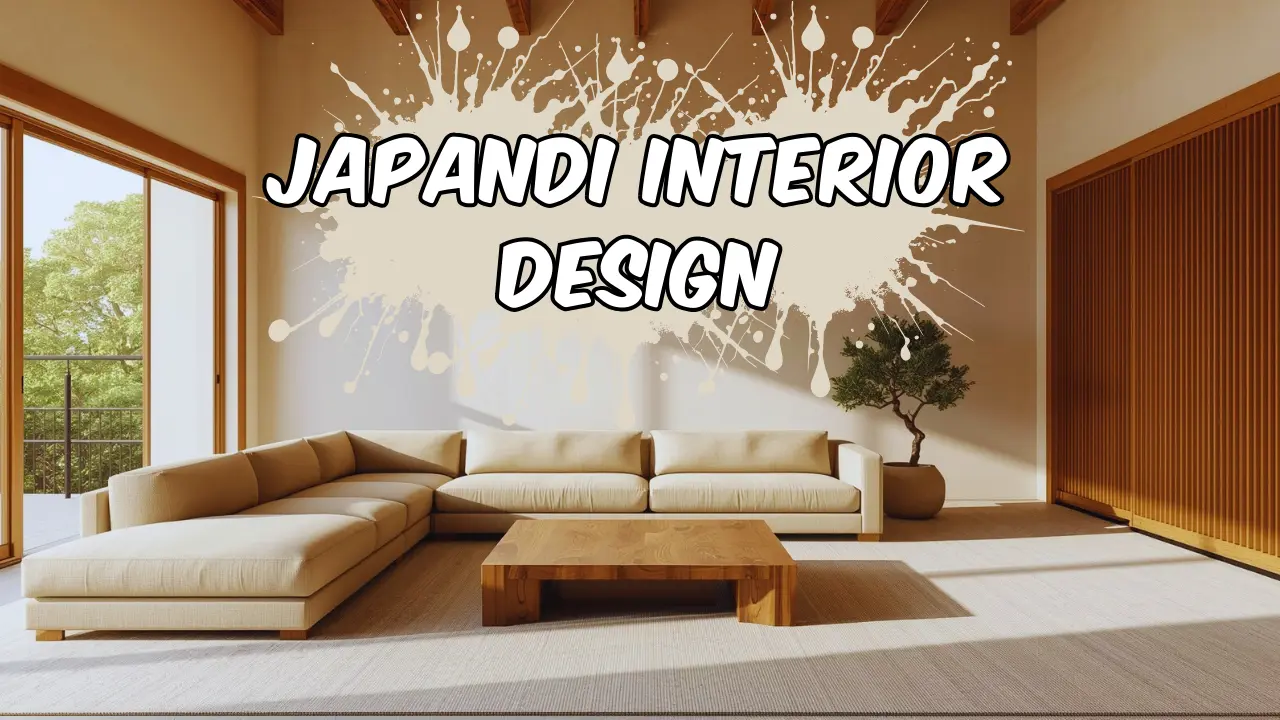
Japandi interior design has quickly become one of the most popular modern design styles in homes around the world. It beautifully combines the intentional minimalism of Japanese design with the cozy warmth of Scandinavian interiors. The result is a calm, balanced atmosphere that feels both highly elegant and functional.
The term itself comes from blending Japanese and Scandinavian design principles. Both styles share very similar philosophies: simplicity, natural materials, high-quality craftsmanship, and a deep focus on creating peaceful living spaces. When combined, these elements create rooms that are minimal yet incredibly cozy.
This hybrid style focuses heavily on clean architectural lines, raw natural textures, soft neutral colors, and deeply thoughtful furniture choices. Instead of filling rooms with dozens of decorative objects, it emphasizes quality over quantity. Every item in the room has a distinct purpose and contributes to a calm daily routine.
If you’re new to this design trend, this complete beginner guide will help you understand the essential principles and show you exactly how to incorporate them into your own home.
Table of Contents
1. Embrace True Minimalism
Minimalism is one of the most important foundational principles of this look. Both Japanese and Scandinavian cultures deeply value simplicity and focus heavily on removing unnecessary visual clutter from their living spaces. Instead of filling a room with trendy decorative pieces, this design prioritizes clean, empty surfaces and intentional styling.
- Choose fewer but much higher-quality furniture pieces instead of matching sets.
- Keep your decorative items strictly minimal and personally meaningful.
- Maintain open, negative space around all of your furniture.
Designer Pro Tip: If a decorative item does not serve a practical purpose or bring intense joy to the space, strongly consider removing it to maintain a perfectly clean aesthetic.
2. Use a Restrained Neutral Color Palette
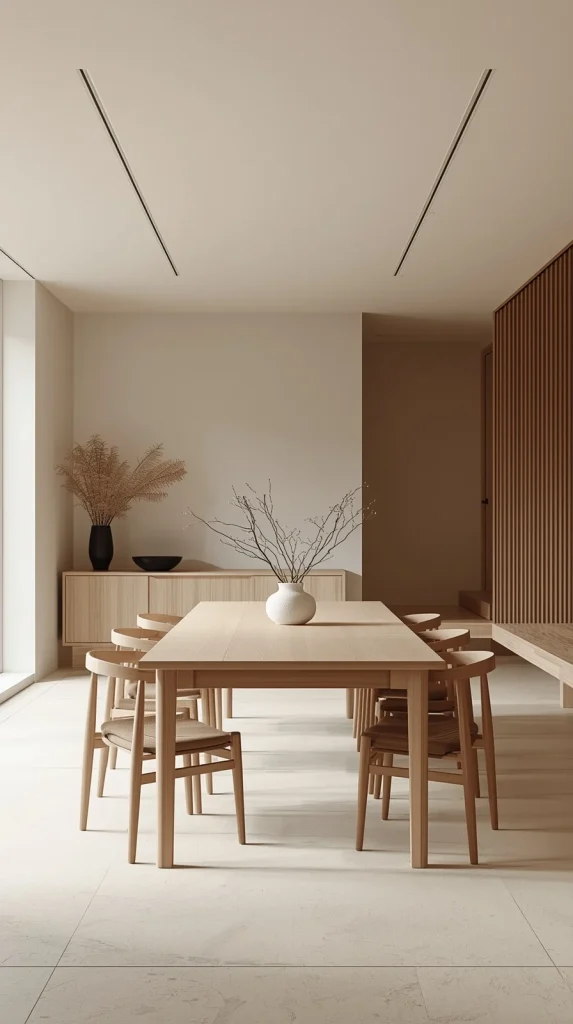
These interiors rely heavily on neutral colors to create a profoundly calm and balanced atmosphere. These soft tones help highlight the beautiful natural textures and raw materials used throughout the room. Neutral palettes also reflect natural light much better, making smaller spaces feel incredibly open and peaceful.
- Paint warm white walls to maximize brightness without feeling sterile.
- Layer soft beige and taupe tones for cozy warmth.
- Use muted, earthy colors like soft brown, clay, or pale sage as subtle accents.
Designer Pro Tip: Choose paint colors with yellow or pink warm undertones instead of cool blue tones to keep the space feeling inviting and lived-in.
3. Incorporate Raw Natural Materials
Natural materials are absolutely essential to achieving this look. Raw wood, unpolished stone, soft linen, and handmade ceramics create a deep connection with nature while adding necessary physical texture and warmth.
- Choose solid wooden furniture in beautiful oak, rich walnut, or pale ash finishes.
- Use organic linen or raw cotton fabrics for your sofa upholstery and curtains.
- Incorporate heavy ceramic or stone decor pieces to ground the room.
Designer Pro Tip: Combine the very light, pale woods of Scandinavian design with the darker, richer wood tones of Japanese design to create a perfect visual balance.
4. Focus on Highly Functional Furniture
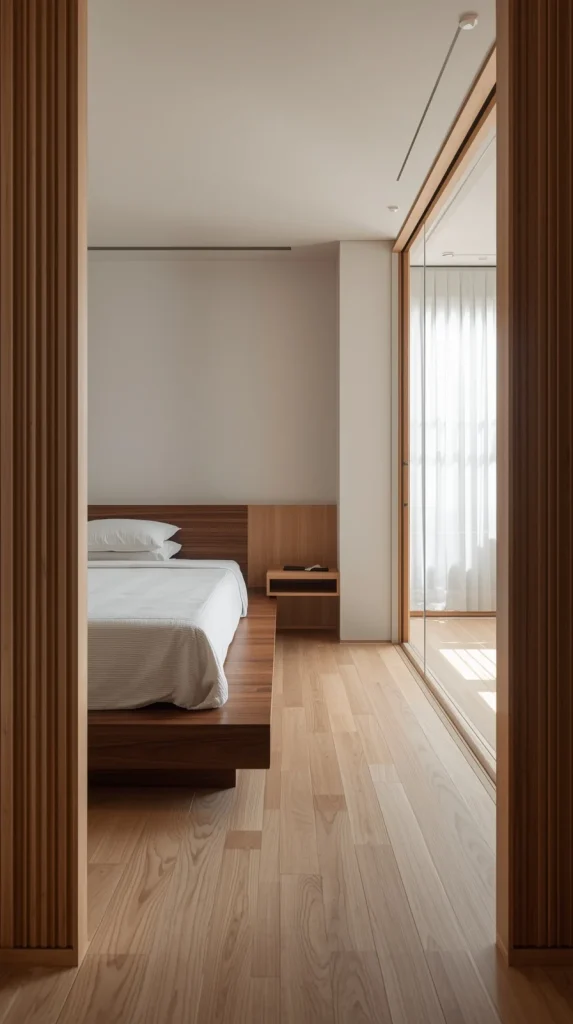
This aesthetic aggressively prioritizes functionality. Furniture must be highly practical, deeply comfortable, and exceptionally well-crafted. Each piece must serve a clear daily purpose rather than simply taking up floor space.
- Choose furniture with very clean, straight lines and gentle curves.
- Avoid overly ornate, heavily carved, or decorative pieces.
- Prioritize authentic craftsmanship and long-term durability.
Designer Pro Tip: Low-profile furniture (beds and sofas that sit very close to the floor) is common in these interiors because it creates a grounded, highly relaxing atmosphere.
Want to learn more about achieving this beautiful aesthetic? Watch this brilliant breakdown of the exact rules to follow when blending these two styles!
5. Keep Decor Simple and Intentional
Decor in these homes is fiercely curated. Instead of displaying dozens of small, distracting decorative objects, the style focuses on just a few highly meaningful, larger pieces. These items almost always highlight human craftsmanship or raw natural materials.
- Display a single handmade ceramic vase or piece of artisan pottery.
- Add only one or two large, framed abstract artworks.
- Use natural, functional decor like solid wooden bowls or stone trays.
Designer Pro Tip: Always leave ample empty space around your decorative items so they stand out as art, rather than competing for the eye’s attention.
6. Introduce Abundant Natural Light
Natural light plays a major role in both Japanese and Nordic homes. Large bare windows, sheer light curtains, and completely uncluttered surfaces allow sunlight to flow deeply throughout the entire room. Bright, sunlit spaces naturally feel larger, calmer, and much more welcoming.
- Use sheer, lightweight linen curtains to softly diffuse harsh midday sunlight.
- Keep your window sills completely bare and uncluttered.
- Use a large, simple mirror to reflect natural light into darker corners of the room.
Designer Pro Tip: Completely avoid heavy, dark blackout curtains in your main living areas, as they block essential sunlight and make the room feel heavy and dark.
7. Add Subtle, Cozy Texture
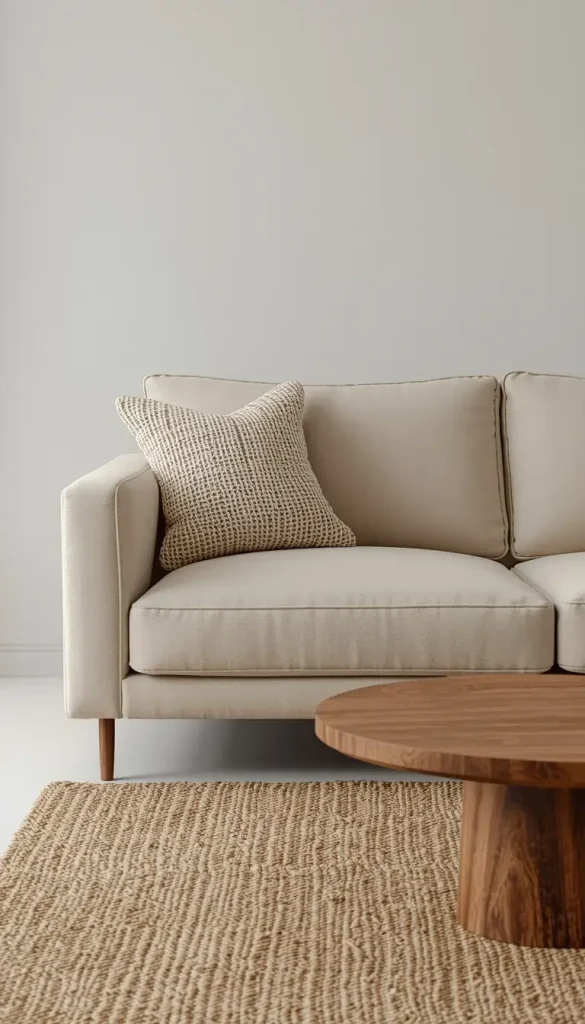
Because this style relies so heavily on completely neutral colors, physical texture becomes the most important element for creating visual interest. Different tactile textures add rich depth without ever disrupting the calm atmosphere.
- Use large woven jute rugs or handmade baskets.
- Add highly textured linen or raw cotton throw pillows.
- Include unglazed, textured ceramics or porous stone decor.
Designer Pro Tip: Mix smooth, highly polished surfaces (like a finished wood table) directly with much softer, rougher fabrics (such as a chunky wool blanket) for contrast.
8. Incorporate Plants and Nature
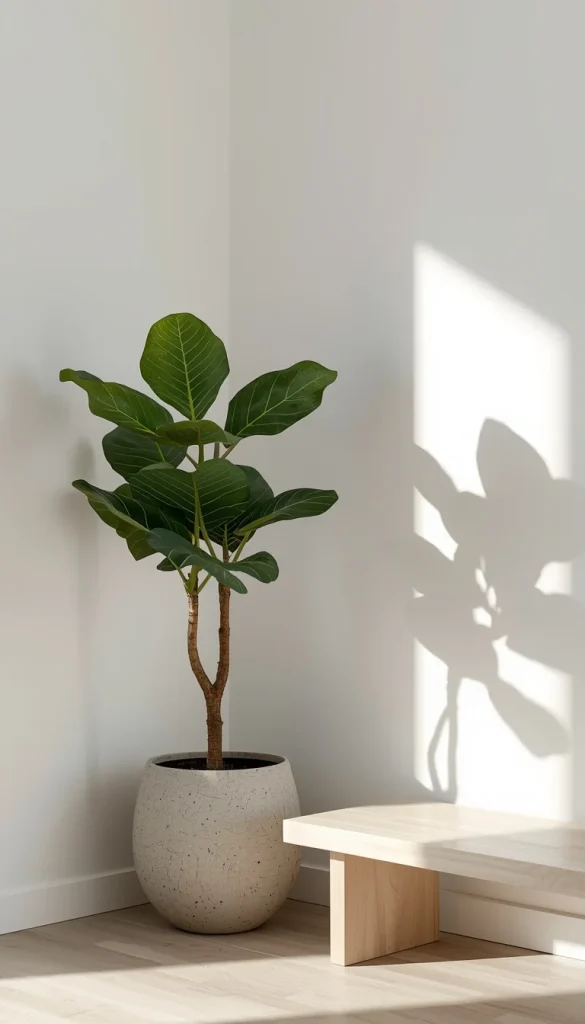
Plants help bring literal life into minimal interiors while heavily reinforcing the human connection to the natural world. Deep greenery contrasts beautifully with neutral color palettes and warm wooden furniture.
- Place a medium-sized, structural indoor plant near a primary window.
- Use incredibly simple, unadorned ceramic or concrete planters.
- Choose plants with strong, sculptural shapes rather than bushy, chaotic vines.
Designer Pro Tip: Select low-maintenance, architectural plants like a Snake Plant, an indoor Bonsai, or a Fiddle-Leaf Fig to maintain the clean, structured look of the space.
9. Balance Warm and Cool Elements
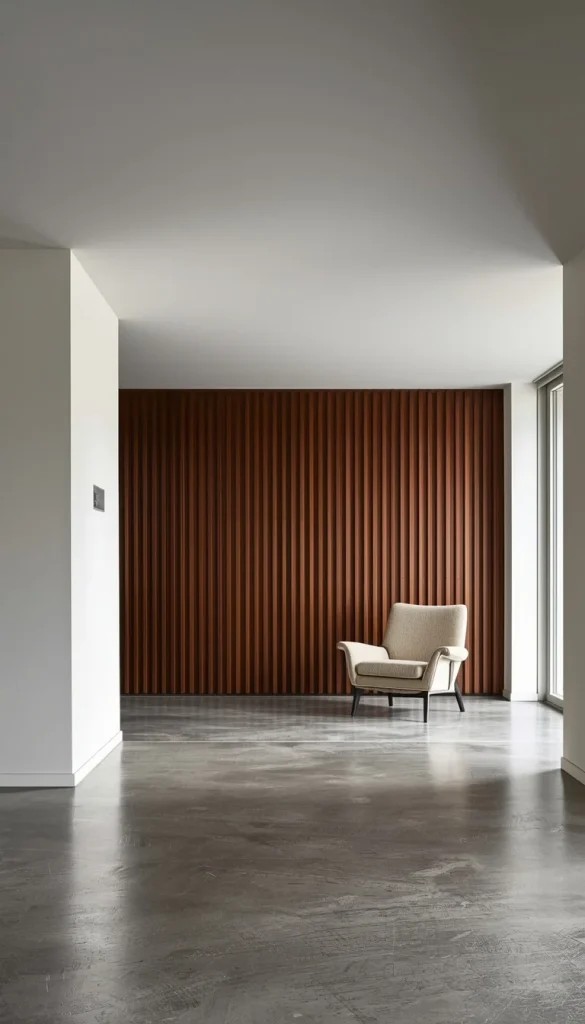
he magic of this hybrid design is exactly how it blends Scandinavian cozy warmth with Japanese cool minimalism. Achieving the exact right balance between these two distinct influences is the key to mastering the style.
- Use warm, rich wood furniture to provide deep comfort.
- Combine that warmth with cool, neutral grey walls or stone floors.
- Add soft, inviting textiles to ensure the room never feels like a sterile museum.
Designer Pro Tip: Maintain visual harmony by strictly repeating the same two or three colors and textures throughout the entire room.
10. Focus on Calm and Balance
Ultimately, these interiors are designed specifically to create intensely peaceful environments. Everything from the exact placement of a chair to the temperature of the lightbulbs contributes to a profound sense of balance. The ultimate goal is to create a sanctuary where people can relax and fully disconnect from daily, modern stress.
- Keep your furniture layouts incredibly simple and highly spacious.
- Ruthlessly avoid overcrowding your rooms with unnecessary daily items.
- Use soft, warm ambient lighting (2700K) to create a calming evening mood.
Designer Pro Tip: Regularly edit your decor! Walk through your home once a month and remove anything that has slowly accumulated to keep the rooms feeling fresh and flawlessly uncluttered.
Final Thoughts
Japandi interior design offers the absolute perfect balance between extreme minimalism and cozy, inviting warmth. By combining Japanese simplicity with Scandinavian comfort, this style creates homes that feel incredibly calm, highly functional, and beautifully timeless.
Neutral colors, natural materials, clean lines, and thoughtful decor are the foundation of Japandi interiors. Instead of focusing on trends, the style emphasizes quality craftsmanship and intentional living.
Whether you are redesigning a single room or your entire home, incorporating Japandi principles can help you create spaces that feel peaceful and beautifully balanced.
You might like: 7 Modern Entryway Design Ideas to Create a Welcoming First Impression
Frequently Asked Questions
What exactly is Japandi interior design?
It is a highly popular hybrid design style that perfectly combines the strict, functional minimalism of Japanese design with the cozy, warm, and inviting elements of Scandinavian interiors.
What colors are used in Japandi interiors?
Neutral colors such as warm white, beige, gray, and earthy tones are commonly used.
What furniture works best for Japandi design?
Simple furniture with clean lines, natural materials, and high-quality craftsmanship works best.
Is Japandi design suitable for small spaces?
Yes. Japandi’s minimalist approach helps small spaces feel open, calm, and uncluttered.