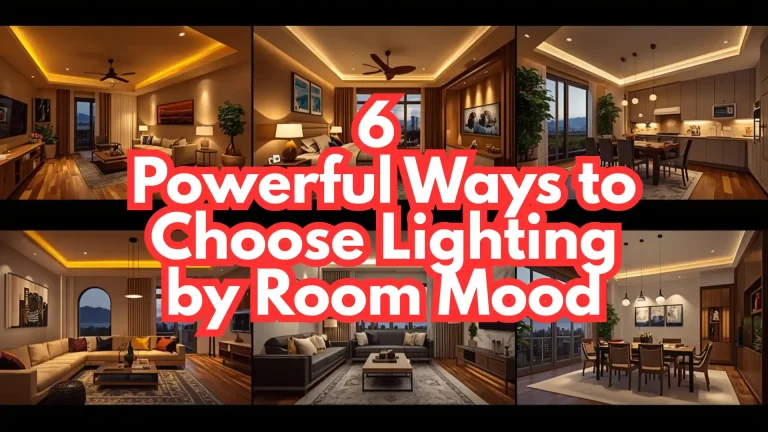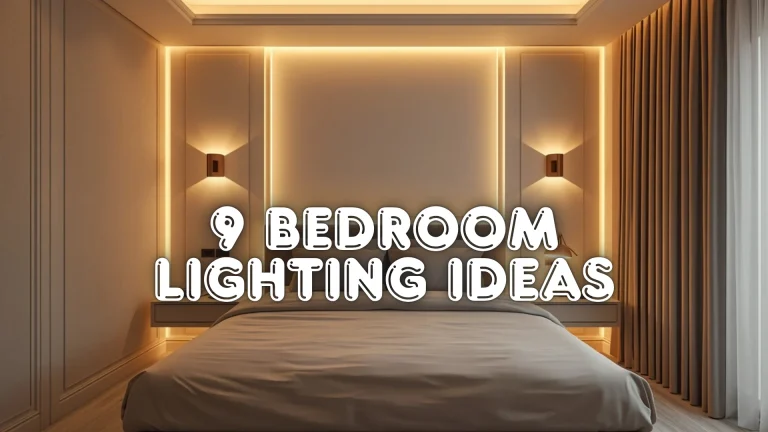

7 Layered Lighting Techniques Designers Use to Create a Cozy Home
Lighting is the hidden element that transforms a space the moment you walk into a beautifully designed room. You might immediately notice the luxury furniture or the stunning wall color, but the true reason a room feels comfortable, welcoming, and high-end is often something you don’t notice at first: the way it is illuminated.
Relying on a single, harsh overhead ceiling bulb is one of the biggest mistakes homeowners make. It casts unflattering shadows, washes out beautiful paint colors, and creates a sterile, clinical atmosphere. To fix this, professional interior designers use a foundational concept called layered lighting.
Layered lighting is the strategic practice of combining multiple different light sources at varying heights to create depth, functionality, and intense coziness. By mixing ambient, task, and accent illumination, you can completely transform the mood of any space.
If you want your home to feel like a relaxing, high-end sanctuary, here are the exact layered lighting techniques designers use to create a cozy atmosphere.
Table of Contents
1. Understand the Three Core Layers
Before you buy a single new lamp, you must understand the three fundamental layers of lighting. A truly cozy room utilizes all three to eliminate harsh shadows and provide total control over the room’s mood.
- Ambient Lighting: The base layer of general illumination that lights up the whole room (e.g., recessed lights, flush mounts, or large chandeliers).
- Task Lighting: Focused, brighter light directed at a specific area for a specific purpose (e.g., a reading lamp, under-cabinet kitchen lights, or a desk lamp).
- Accent Lighting: Decorative light used to highlight specific architectural features or artwork (e.g., picture lights, wall sconces, or LED strip lights).
Designer Pro Tip: Never rely on ambient lighting alone. The magic of a cozy room happens when you turn the bright ambient lights off and rely solely on the warm glow of your task and accent layers.
2. Start with a Diffused Ambient Foundation
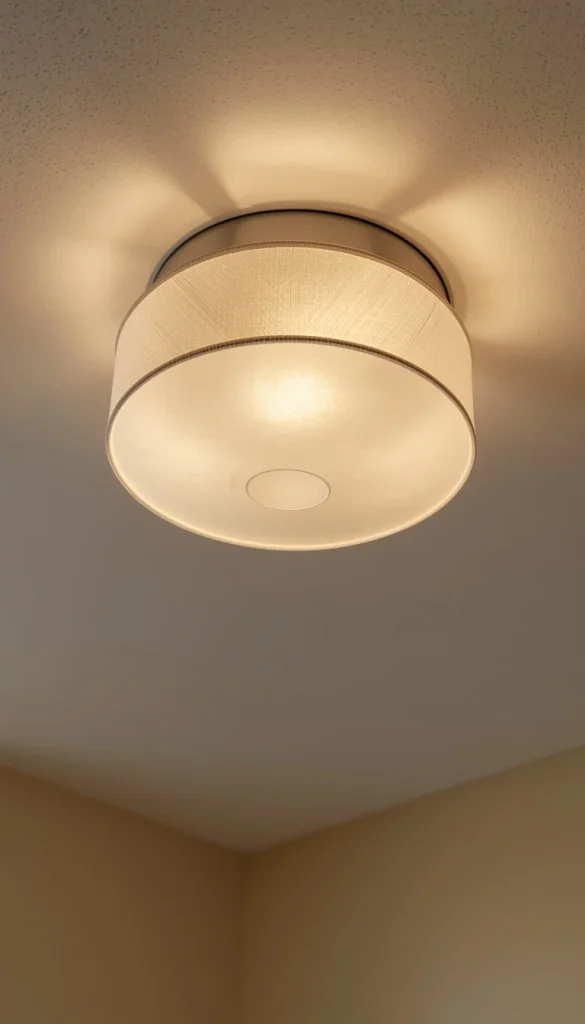
Your ambient layer is your foundation, but it shouldn’t be blinding. Instead of using clear, exposed bulbs that create harsh glare, opt for fixtures that soften and spread the light evenly across the ceiling and floor.
- Choose fixtures with frosted glass or linen shades to naturally diffuse the light bulb.
- Point light upward using flush mounts or chandeliers that bounce light off a white ceiling.
- Avoid harsh, narrow-beam spotlights directly over seating areas, as they create heavy shadows under people’s eyes.
Designer Pro Tip: If you have recessed ceiling lights (can lights), ensure they are spaced evenly and use a wide beam angle so the light washes smoothly across the floor without creating distinct “hot spots.”
3. Add Strategic Task Lighting
Task lighting brings intense functionality to your home. It allows you to perform specific activities like reading a book, chopping vegetables, or working at a desk without needing to flood the entire room with blinding overhead light.
- Place an arched floor lamp or swing-arm sconce directly behind your favorite reading chair.
- Install bright, focused under-cabinet lighting in the kitchen to illuminate your countertops.
- Use low-hanging pendant lights over a kitchen island or dining table to focus the light downward.
Designer Pro Tip: Task lighting should ideally have its own dedicated switch. This allows you to turn it on only exactly when you need it, preserving the cozy mood of the rest of the room.
4. Create Depth with Accent Lighting
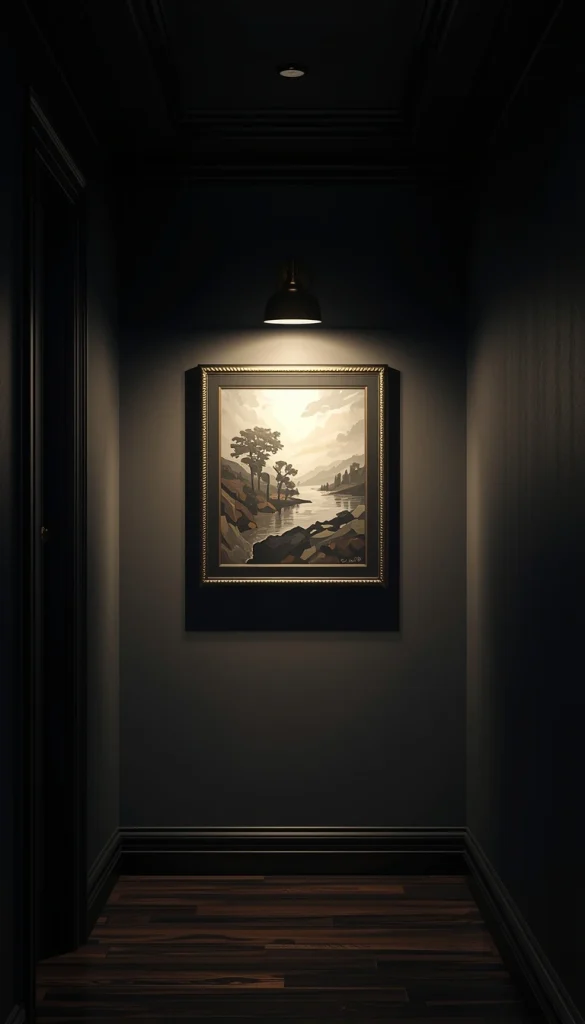
Accent lighting is what separates a standard room from a professionally designed luxury space. This layer is purely decorative. It draws the eye to beautiful focal points, creating visual drama and expanding the perceived depth of the room.
- Mount brass picture lights directly above your favorite framed artwork or mirrors.
- Install hidden LED strip lights behind your television, along the bottom of floating shelves, or under the bed frame.
- Place small uplights in the corners of the room behind large indoor plants to cast dramatic, leafy shadows on the ceiling.
Designer Pro Tip: Keep accent lighting subtle. It should be the dimmest layer in your room, acting as a soft, glowing highlight rather than a primary light source.
Want to see these layering techniques visually? Watch this excellent interior design breakdown on exactly how to light a space like a professional!
5. Stick to the 2700K Rule
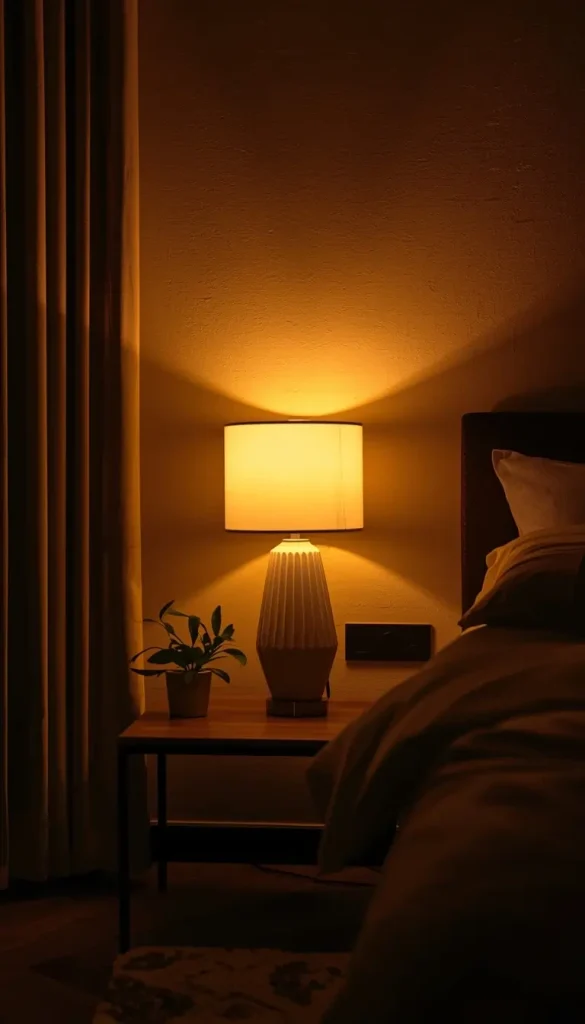
The color temperature of your light bulbs will single-handedly make or break the coziness of your home. Color temperature is measured in Kelvins (K). High numbers (4000K–5000K) produce a stark, blue-toned “daylight” that feels like a hospital or an office. Low numbers produce a relaxing, golden glow.
- Always buy bulbs labeled 2700K to 3000K for living rooms, bedrooms, and dining areas.
- Match the color temperature exactly across every single bulb in an open-concept space.
- Reserve 3500K or 4000K bulbs strictly for functional areas like garages, laundry rooms, or bright home offices.
Designer Pro Tip: Mixing cool blue ceiling lights with warm yellow table lamps creates a chaotic, uncomfortable atmosphere. Consistency in color temperature is vital for a high-end look.
6. Install Dimmers on Everything
If there is one absolute golden rule among lighting designers, it is this: put every light fixture you possibly can on a dimmer switch. Dimmers give you total, ultimate control over the mood and atmosphere of your home at any hour of the day.
- Install wall dimmers for your main overhead fixtures to easily transition from bright daytime cleaning to cozy evening relaxing.
- Purchase smart bulbs or plug-in dimmers for your table and floor lamps.
- Use dimmers to balance the layers; keep the overheads extremely low while letting the table lamps shine brighter.
Designer Pro Tip: When buying LED bulbs, you must specifically check the packaging to ensure they are labeled “Dimmable.” Standard LEDs will aggressively flicker and buzz if connected to a dimmer switch.
7. Play with Wall Grazing and Washing

Wall washing and wall grazing are advanced architectural techniques that make a room look incredibly expensive. Instead of pointing lights at the floor, these techniques point light directly at your walls to highlight texture and make the room feel infinitely wider.
- Wall Washing: Placing a light source a few feet away from a flat wall to wash it in a wide, even glow. This visually pushes the walls outward, making the room look massive.
- Wall Grazing: Placing a light source extremely close to a textured wall (like brick, stone, or wood slats) to cast micro-shadows that highlight the beautiful physical texture.
Designer Pro Tip: You do not need expensive architectural lighting to achieve this. Simply place a standard floor uplight directly in a corner and point it at the wall to create an instant, cozy wash of light.
Final Thoughts
Illumination is the ultimate mood-setter in interior design. By moving away from a single, harsh ceiling light and embracing a layered approach, you can completely transform the atmosphere of your home.
By thoughtfully combining soft ambient light, functional task lighting, and dramatic accent highlights and ensuring every bulb shines with a warm, cozy color temperature. You can create a sanctuary that feels deeply relaxing and professionally styled.
Remember, the goal is not just to illuminate a room, but to shape exactly how that room feels when you walk into it at the end of a long day.
You might also like: 8 Small Dining Room Ideas That Make the Space Look Bigger
Frequently Asked Questions
What are the 3 layers of lighting?
Ambient lighting lights the whole room, task lighting helps with activities like reading, and accent lighting highlights decor.
What is the best light color for a cozy living room?
Warm white light (2700K–3000K) is best. It creates a soft and relaxing atmosphere.
Can I mix different lighting styles in one room?
Yes, mixing styles adds visual interest. Just keep the bulb color temperature the same for a balanced look.
How many light sources should a living room have?
A good living room should have at least 3 to 5 light sources, such as a ceiling light, table lamps, a floor lamp, and accent lighting.