

10 Small Bedroom Ideas That Feel Spacious and Cozy
A small bedroom does not have to feel cramped, cluttered, or uncomfortable. In fact, when designed properly, compact bedrooms often feel more intimate, peaceful, and cozy than oversized spaces. The secret lies in understanding how to maximize layout, lighting, color, and furniture scale without overwhelming the room.
Modern interior design proves that square footage is not everything. With the right approach, you can make a small bedroom feel open, breathable, and visually larger while still maintaining warmth and comfort.
Whether you live in an apartment, a studio, or a cozy home, these 10 ideas will help you create a space that feels both highly spacious and wonderfully cozy at the exact same time.
Table of Contents
1. Use a Soft Neutral Color Palette
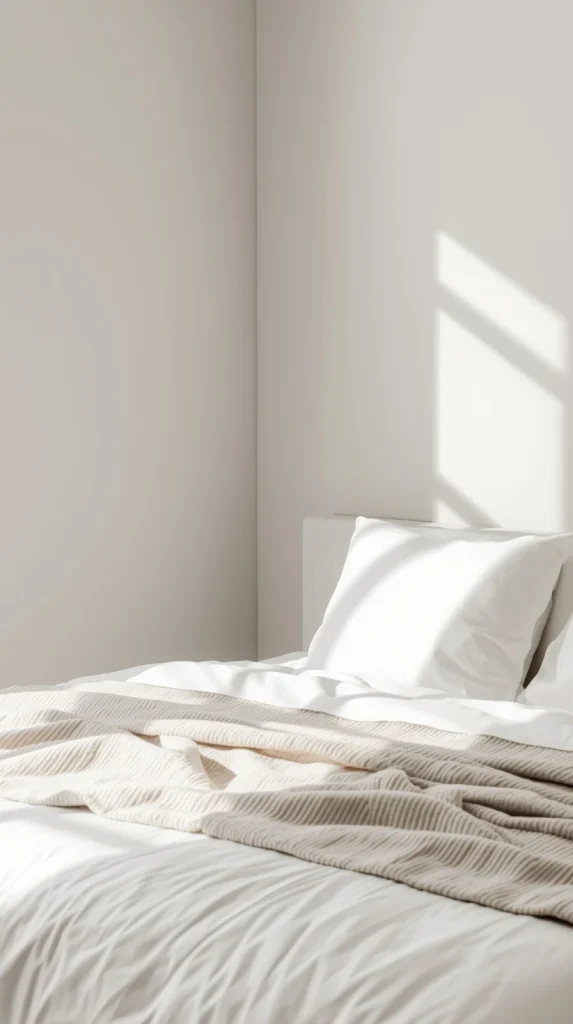
Color dramatically impacts how large or small a room feels. Dark or bold colors absorb light and visually shrink walls, while soft neutrals beautifully reflect light and expand the space. For modest bedrooms, choose warm whites, light beige, greige, pale taupe, or a muted sage green.
- Paint walls in warm white or soft cream to maximize daytime brightness.
- Keep ceilings slightly lighter than your walls to provide vertical lift.
- Use similar tones in bedding and curtains for a cohesive, seamless look.
Designer Pro Tip: Choose paint with subtle warm undertones. Stark, cool whites can feel sterile and make tight rooms look flat and uninviting.
2. Choose a Low-Profile Bed Frame
A bulky, oversized bed frame can completely dominate a modest footprint. Instead, opt for a sleek, low-profile platform bed. Lowering your main piece of furniture creates the brilliant optical illusion of much higher ceilings.
- Select simple wooden or lightly upholstered frames.
- Avoid heavy, tall footboards that break up the visual flow of the room.
- Keep the base slim and streamlined.
Designer Pro Tip: If possible, choose a bed frame with exposed legs rather than solid panels touching the floor. Seeing the floor underneath makes the room feel larger.
3. Install Wall-Mounted or Floating Nightstands

Floor space is precious. Floating nightstands create a beautifully airy effect by exposing more of your visible floor area, which tricks the eye into perceiving more square footage.
- Mount slim floating shelves instead of buying bulky, traditional side tables.
- Pair them with wall-mounted sconces to save surface space.
- Keep the tabletops completely minimal and clutter-free.
Designer Pro Tip: Hide your phone charging cables using adhesive wire clips behind the floating shelves to maintain a perfectly clean, cordless look.
4. Use Mirrors to Expand the Space
Mirrors reflect light and create instant depth. In tighter layouts, they are absolutely essential design tools. They double the perception of light and space the second you add them to the room.
- Place a large mirror directly opposite a window to bounce natural sunlight.
- Use sliding mirrored wardrobe doors if you lack wall space.
- Choose thin, minimalist metal or wood frames.
Designer Pro Tip: Lean a large, full-length mirror casually against the wall for a relaxed, modern aesthetic without needing permanent installation.
5. Maximize Vertical Space
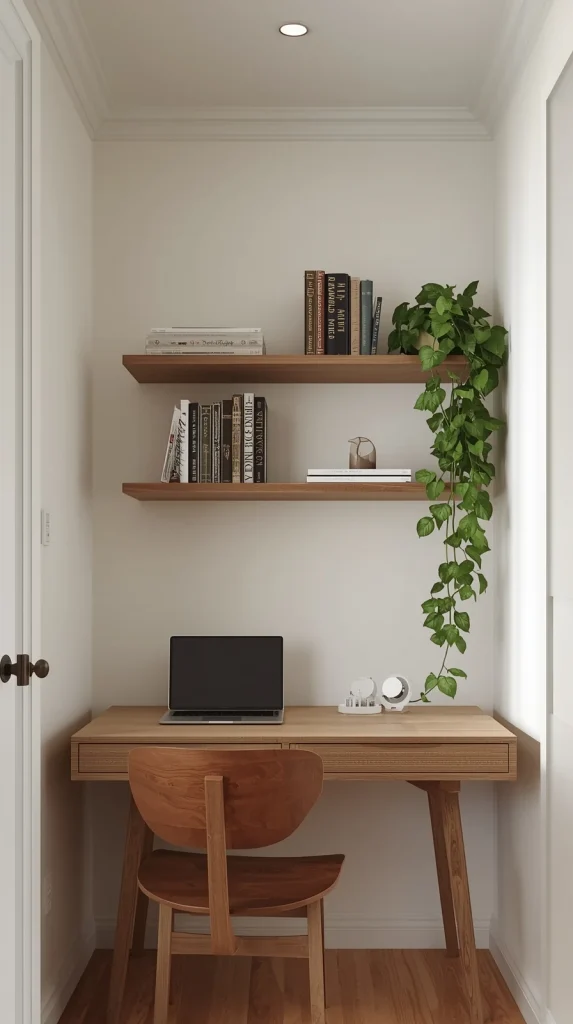
When your floor plan is limited, you must go vertical. Using the height of your walls draws the eye upward, making standard ceilings feel much taller and grander.
- Install minimal floating shelves high above the bed or desk.
- Use tall, narrow wardrobes instead of wide, bulky horizontal dressers.
- Hang your window curtains as close to the ceiling as possible.
Designer Pro Tip: Keep your upper shelves minimally styled. Overstuffing high shelves creates visual heaviness that can make the room feel like it’s caving in.
Want to see these space-saving tricks in action? Watch this genius design breakdown on how to make a tight room look massive before we move on!
6. Layer Soft, Cozy Textures

Spacious does not have to mean cold or sterile. Physical texture adds necessary warmth without adding visual clutter.
- Layer crisp, breathable cotton sheets with a fluffy, high-quality duvet.
- Add a textured knit or linen throw blanket to the foot of the bed.
- Use plush accent pillows sparingly so they don’t take over the mattress.
Designer Pro Tip: Stick to a strict monochromatic color palette when layering your bedding to avoid visual chaos.
7. Keep Furniture Minimal and Functional
Less furniture equals significantly more breathing room. Minimalism enhances both the spaciousness and the calmness of your daily environment.
- Choose multipurpose pieces, like a storage ottoman or a desk that doubles as a vanity.
- Avoid oversized, heavy dressers that eat up your walking paths.
- Keep all pathways to the door and closet completely clear.
Designer Pro Tip: Follow the “essential-only rule.” If a piece of furniture doesn’t serve a daily, practical purpose, remove it from the room.
8. Add Warm Ambient Lighting

Lighting heavily influences your mood and the perceived size of the room. Layered lighting eliminates harsh, dark shadows in the corners that naturally shrink a room.
- Use warm white LED bulbs (2700K–3000K) for a relaxing, sunset-like glow.
- Install plug-in or hardwired bedside sconces to free up your nightstands.
- Add hidden LED light strips under the bed for a luxurious floating effect.
Designer Pro Tip: Avoid bright, cool-toned “daylight” bulbs in areas meant for sleeping. They feel clinical and ruin a cozy atmosphere.
9. Choose a Large Area Rug
A large rug unifies your furniture and softens hard flooring. Proper sizing is absolutely crucial ironically, buying a rug that is too small will make the entire room look smaller.
- Ensure the rug extends at least two feet beyond the sides and foot of the bed.
- Choose subtle, faded patterns rather than loud, busy geometrics.
- Stick to light or neutral rug tones to reflect light upward.
Designer Pro Tip: For a standard Queen-sized bed, an 8×10 foot area rug usually provides the perfect visual proportions.
10. Declutter Consistently
Clutter visually shrinks a room faster than anything else. A tidy, organized environment instantly feels more spacious and profoundly peaceful.
- Keep your nightstands completely clear of everything except a lamp and a book.
- Store out-of-season clothing away in under-bed storage bins.
- Adopt a strict “one in, one out” rule for new decor or clothing.
Designer Pro Tip: Spend exactly five minutes every single morning making your bed and clearing your flat surfaces. It sets a calm tone for the entire day.
Final Thoughts
Designing a small bedroom that feels spacious and cozy is completely achievable with smart decisions. Focus on light colors, streamlined furniture, vertical storage, layered lighting, and intentional decor.
Modern bedroom design is about balance maintaining openness while creating warmth. Even small changes like upgrading lighting or switching to a low-profile bed frame can dramatically improve the overall feel.
Start simple, declutter consistently, and build your ideal bedroom gradually.
You might like: 10 Modern Dining Room Ideas to Instantly Upgrade Your Space
Frequently Asked Questions
How do I make a small bedroom look bigger?
Use light, reflective paint colors, hang a large mirror opposite your window, utilize low-profile furniture to expose more wall space, and keep surface clutter to an absolute minimum.
What bed size is best for a small bedroom?
You should choose the largest size that still allows for at least 24 inches of clear walking space on each side and at the foot of the bed. For most modest rooms, a Full or Queen is ideal.
Should I use dark colors in a small bedroom?
It’s better to stick to light neutrals, but darker tones can work as subtle accents.
How do I add storage without overcrowding?
Use vertical shelves, under-bed storage, and multipurpose furniture.