
8 Small Dining Room Ideas That Make the Space Look Bigger
A small dining room doesn’t have to feel cramped or limiting. With the right design choices, even the most modest eating space can feel open, airy, and visually expansive. Modern interior design is not about square footage. It’s about smart layout planning, strategic lighting, balanced proportions, and highly intentional styling.
Many homeowners assume that limited space means sacrificing style or comfort. In reality, smaller footprint rooms often feel much more intimate, cozy, and welcoming when designed properly. The key is understanding how to use color, furniture scale, mirrors, and vertical storage to create the beautiful illusion of space.
Whether you live in an apartment, a condo, or a cozy home, these 8 ideas will help you maximize every single inch while keeping your room stylish and highly functional.
Table of Contents
1. Choose a Light and Neutral Color Palette
Color is one of the most powerful tools in interior design. In tighter layouts, dark and heavy paint tones can easily make the room feel closed in. Light and neutral shades, on the other hand, reflect both natural and artificial light, instantly making the room feel significantly larger. Soft whites, warm beige, light greige, pale taupe, and muted sage create an airy foundation without ever feeling cold.
- Paint walls in warm white or soft cream to maximize brightness.
- Match your trim and wall colors to completely reduce visual breaks.
- Use similar tones in your furniture and textiles to create a seamless, flowing look.
Designer Pro Tip: Choose paint finishes with a subtle satin or eggshell sheen. They reflect light slightly, enhancing brightness without looking overly glossy.
2. Opt for a Round or Oval Dining Table

Sharp corners in compact rooms disrupt physical flow and make daily movement awkward. A round or oval table softens the entire layout and drastically improves circulation. They eliminate harsh edges and visually take up less space, even when the seating capacity is similar to a rectangular table.
- Choose pedestal bases instead of four traditional legs to maximize legroom.
- Select glass or light wood finishes for visual lightness.
- Keep proportions strictly appropriate to your specific room size.
Designer Pro Tip: In very tight spaces, choose a high-quality drop-leaf table that can expand only when you have guests over.
3. Use Slim, Armless Dining Chairs
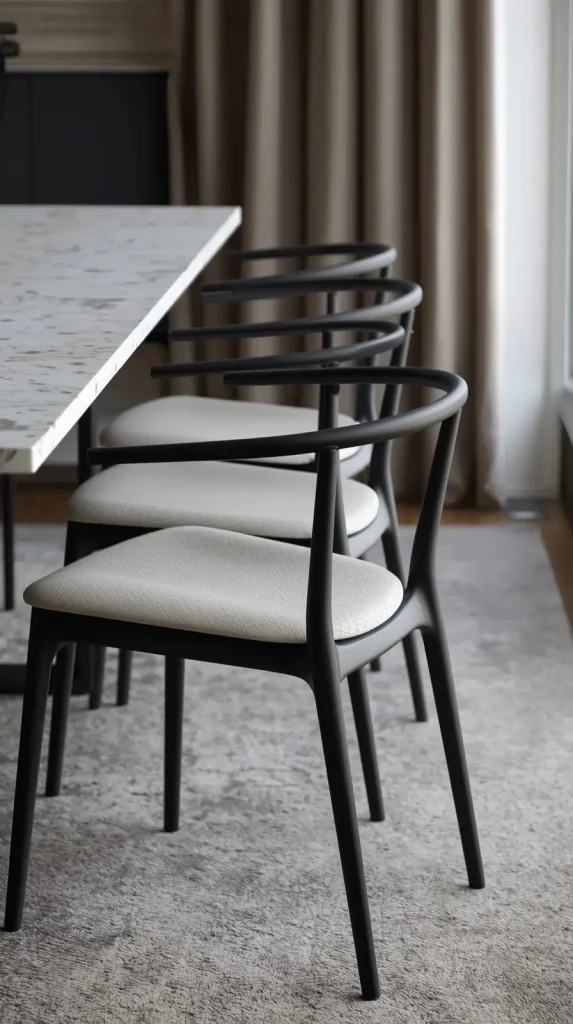
Bulky, heavy chairs will instantly overwhelm a modest space. Instead, choose streamlined silhouettes that visually disappear into the room. Armless chairs slide effortlessly under tables, reducing visual clutter and increasing your usable walkway space.
- Select chairs with slim metal or wood legs and open backs.
- Avoid oversized, heavy upholstered cushions.
- Stick to light upholstery tones to keep the aesthetic airy.
Designer Pro Tip: If you prefer fully upholstered seating, always choose chairs with exposed legs instead of heavy, skirted bases.
4. Hang a Large Mirror to Reflect Light

Mirrors are a classic designer trick for making tight rooms look twice as big. They beautifully reflect both natural window light and artificial fixtures, doubling the perceived brightness of the area. Placing a mirror directly opposite a window maximizes its impact.
- Choose one oversized statement mirror instead of a gallery of multiple small ones.
- Use thin, modern frames in matte black, brass, or natural wood.
- Align the mirror exactly at eye level for the best visual proportions.
Designer Pro Tip: Avoid heavily ornate, thick mirror frames. Keep the design clean and modern so it doesn’t add heavy visual weight to the wall.
For a visual example of these space-saving ideas, the video below demonstrates several smart small dining room layouts.
5. Install Proper Lighting to Open the Space
Lighting directly affects spatial perception. Dark rooms naturally feel smaller, while well-lit spaces appear expansive and inviting. Instead of relying on one harsh, builder-grade ceiling fixture, you must layer your lighting.
- Install a proportional pendant light directly above the center of the table.
- Use warm white LED bulbs (2700K–3000K) for a cozy glow.
- Add slim wall sconces if possible to create background depth.
Designer Pro Tip: Avoid oversized, heavy chandeliers. Choose fixtures that complement the table scale, rather than dominating the entire ceiling.
6. Keep Furniture Off the Walls (If Possible)
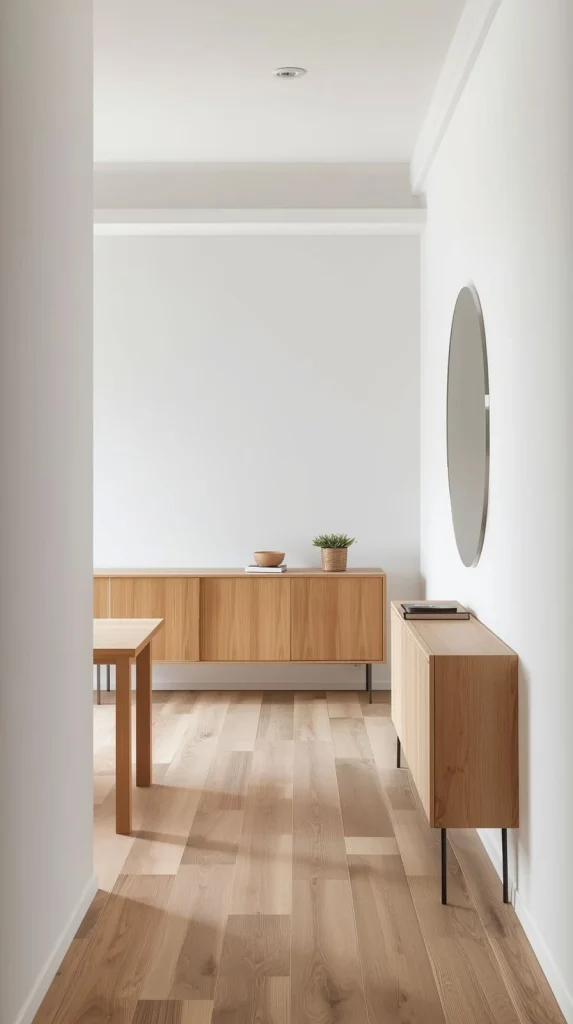
It may seem counterintuitive when trying to save space, but pushing every piece of furniture tightly against the walls can actually emphasize the room’s small dimensions. Strategic spacing improves flow and makes the layout feel intentional rather than cramped.
- Pull the table slightly away from walls to create a natural border.
- Create visual “breathing room” around sideboards or consoles.
- Maintain at least 30–36 inches of clearance behind chairs for easy movement.
Designer Pro Tip: Even just two or three inches of breathing room between a credenza and the wall can make a significant difference in how open a room feels.
7. Use Vertical Space Wisely
When your floor space is severely limited, you must look upward. Vertical design naturally draws the eye higher, creating the brilliant optical illusion that your ceilings are much taller than they actually are.
- Install minimal floating shelves above a sideboard or bar cart.
- Hang your window curtains as close to the ceiling as possible.
- Use tall, narrow storage cabinets instead of wide, bulky units.
Designer Pro Tip: Avoid overcrowding your new shelves. Always leave empty negative space between your decor pieces to maintain a light, airy look.
8. Minimize Visual Clutter
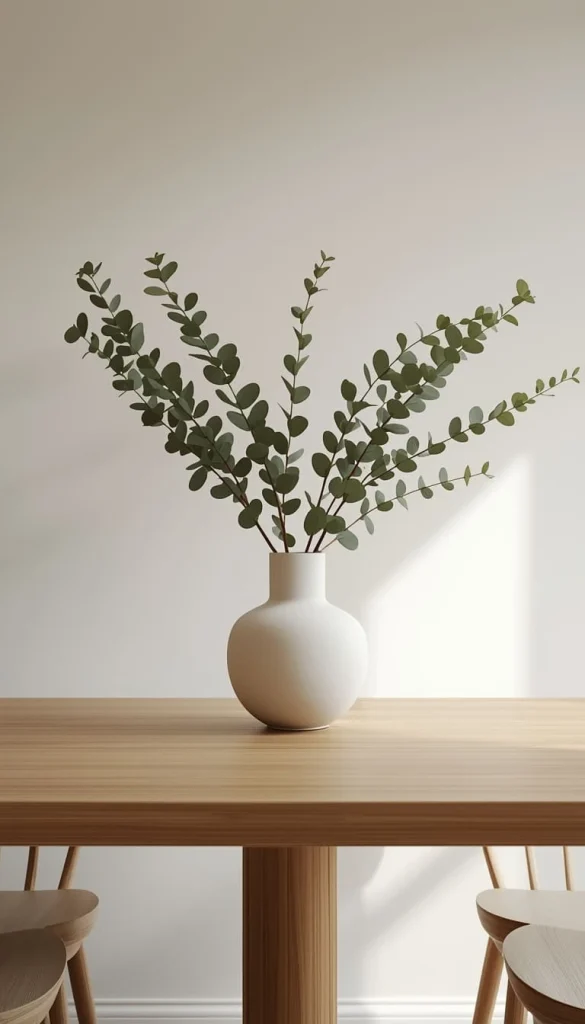
Clutter is the absolute fastest way to make a modest eating area feel chaotic and tight. Modern aesthetics thrive on pure simplicity and clean surfaces. Negative space is just as important as the furniture you choose.
- Limit table decor to one single, beautiful centerpiece.
- Store all extra dishware and glasses completely out of sight.
- Keep side surfaces clear and highly intentional.
Designer Pro Tip: Follow the “one statement rule.” Instead of displaying multiple small decorative pieces, choose one strong focal item, like a large ceramic vase with fresh greenery.
Final Thoughts
A small layout does not limit your ability to create a highly stylish and functional home. By using light colors, streamlined furniture, strategic mirrors, proper lighting, and thoughtful space planning, you can completely transform how the room feels on a daily basis.
Remember that modern interior design prioritizes balance, proportion, and absolute simplicity. Focus entirely on enhancing your natural light, maintaining open walkways, and choosing appropriately scaled furniture.
Small spaces deeply reward intentional design. When done correctly, your compact dining area will feel elegant, welcoming, and surprisingly spacious.
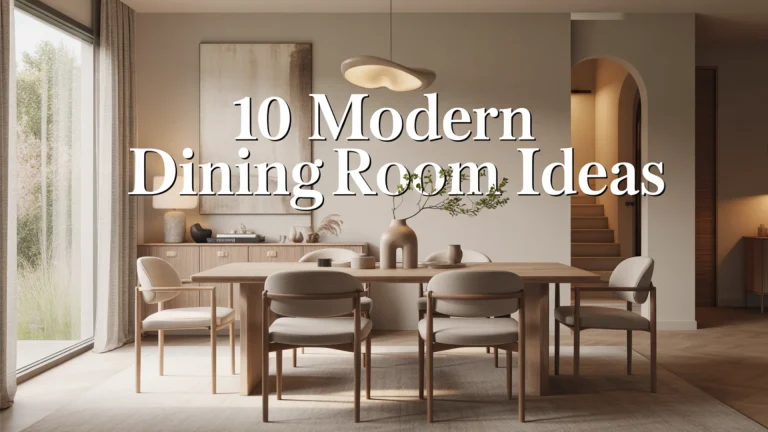
You might like : 10 Modern Dining Room Ideas to Instantly Upgrade Your Space
Frequently Asked Questions
What is the best table shape for a small dining room?
Round or oval tables work best because they drastically improve physical circulation and eliminate sharp corners that restrict daily movement.
How do you make a small dining room look elegant?
Stick strictly to a neutral color palette, add a beautiful statement light fixture, hang a large oversized mirror, and keep all surface decor to an absolute minimum.
What lighting makes a small dining room look bigger?
Warm white lighting (2700K–3000K) combined with layered light sources (like a pendant paired with wall sconces) creates beautiful depth and shadow-free brightness.
Should a dining rug be used in a small space?
Yes, but you must ensure it is large enough! All four legs of the chairs must remain on the rug even when they are pulled out, otherwise, the room will look disjointed and smaller.